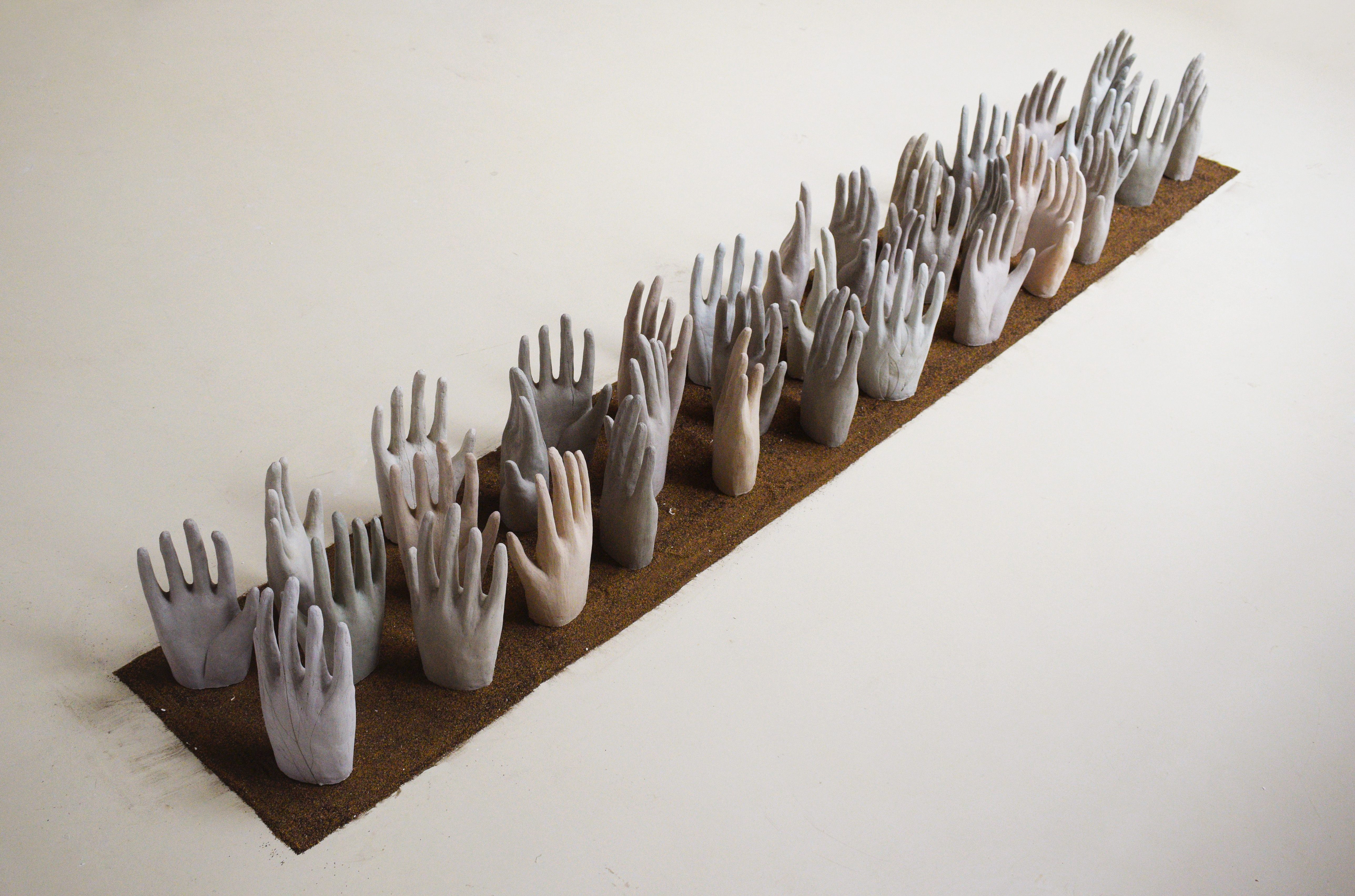
Who are we?
The Faculty of Music and Visual Arts of the University of Pécs – Hungary’s first university, founded in 1367 – has a 30-year-old tradition of artistic education at the Department of Sculpture. Over this time, we have accumulated extensive teaching experience and built a great, supportive team of instructors. The focus of education is on developing your abilities and unfolding your individual artistic vision.
Behind the Department of Sculpture stands the solid background of the University of Pécs, with its 10 faculties, 1,400 lecturers, and more than 22,000 students, including over 5,000 international students.
Programs currently offered:
- Sculptor (10 semesters, undivided program, available in English)
- Conservator-Restorer Artist (10 semesters, undivided program, soon available in English)
- 3D Specialization (4 semesters, available in English)
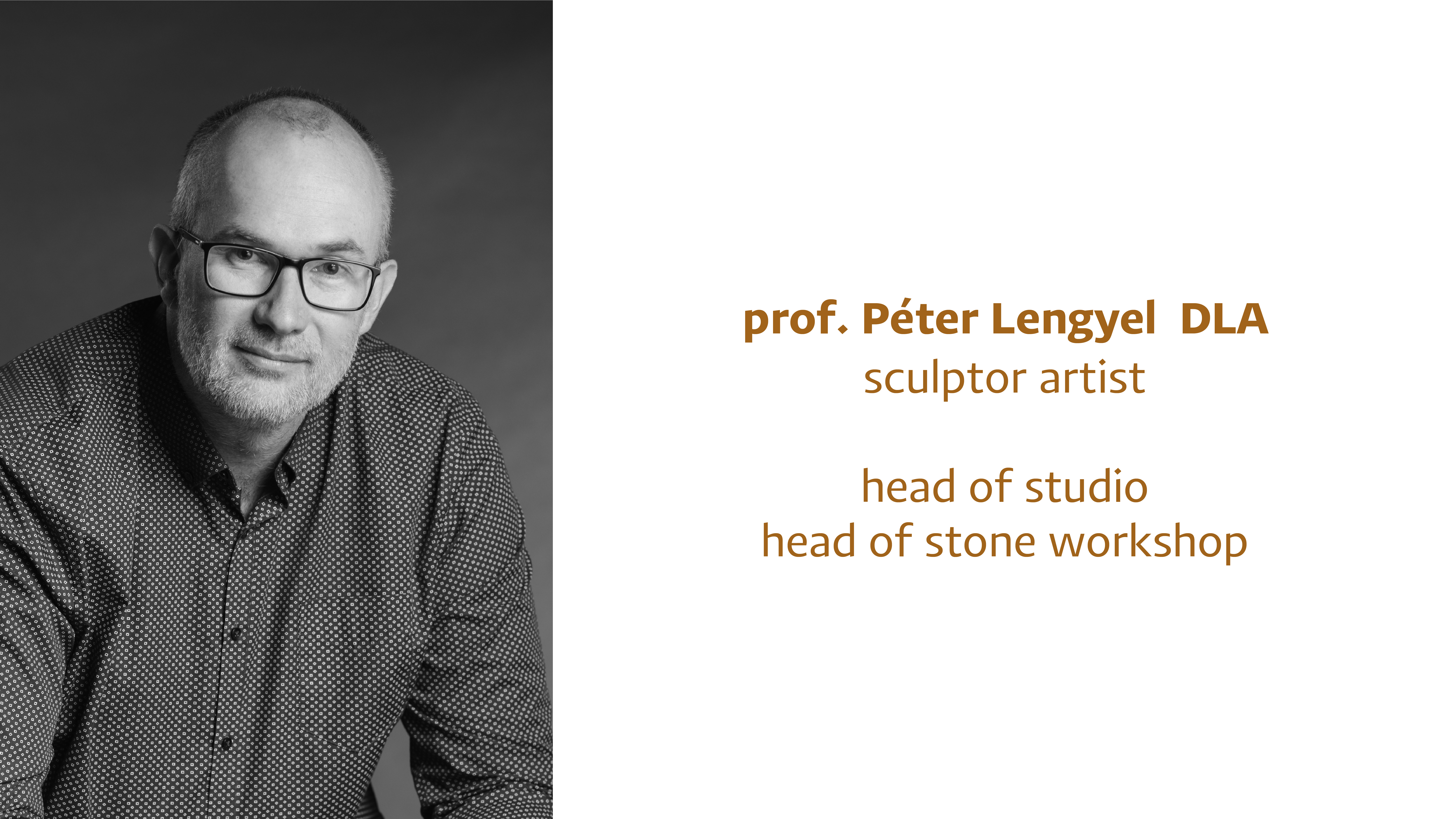
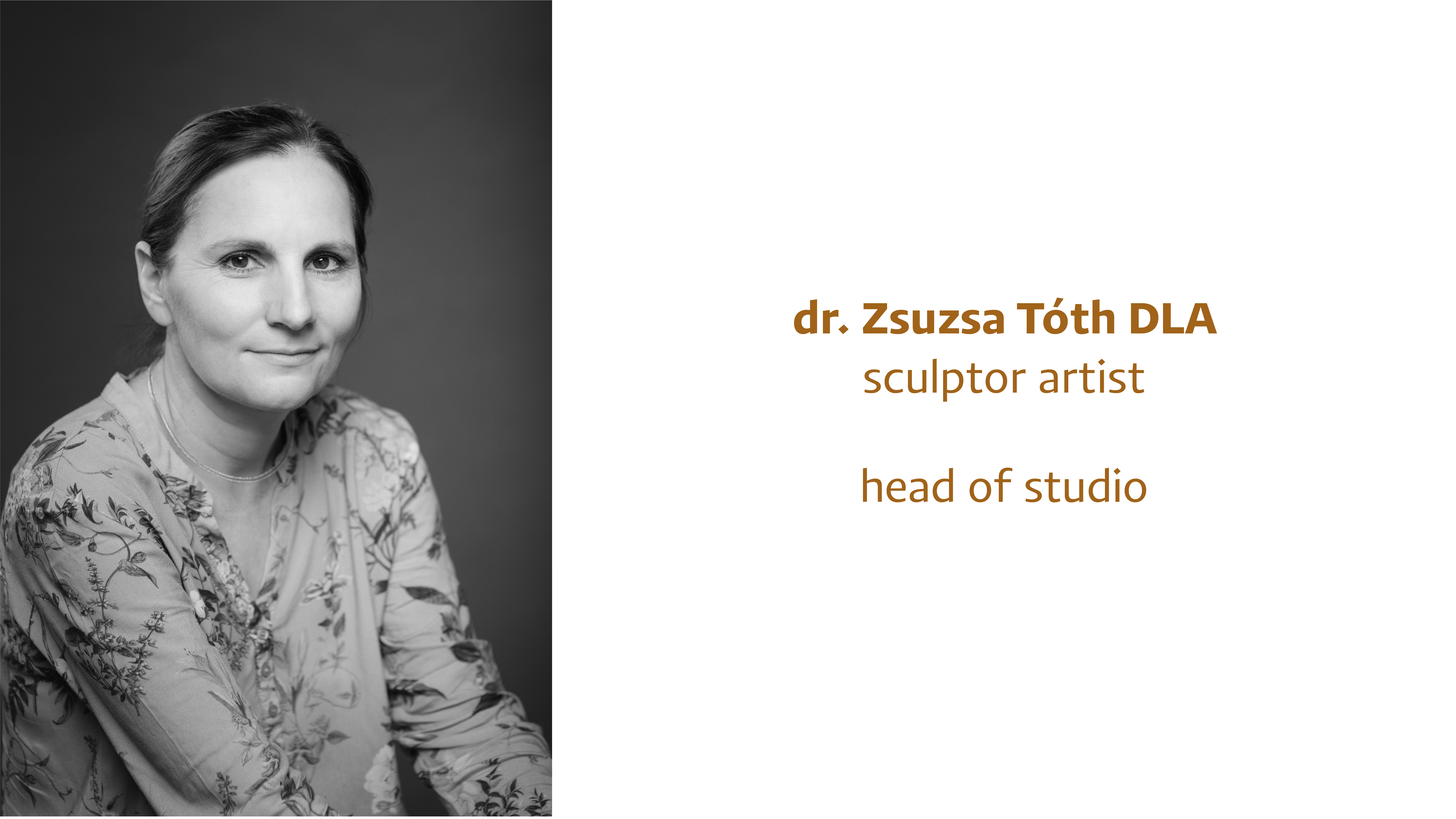
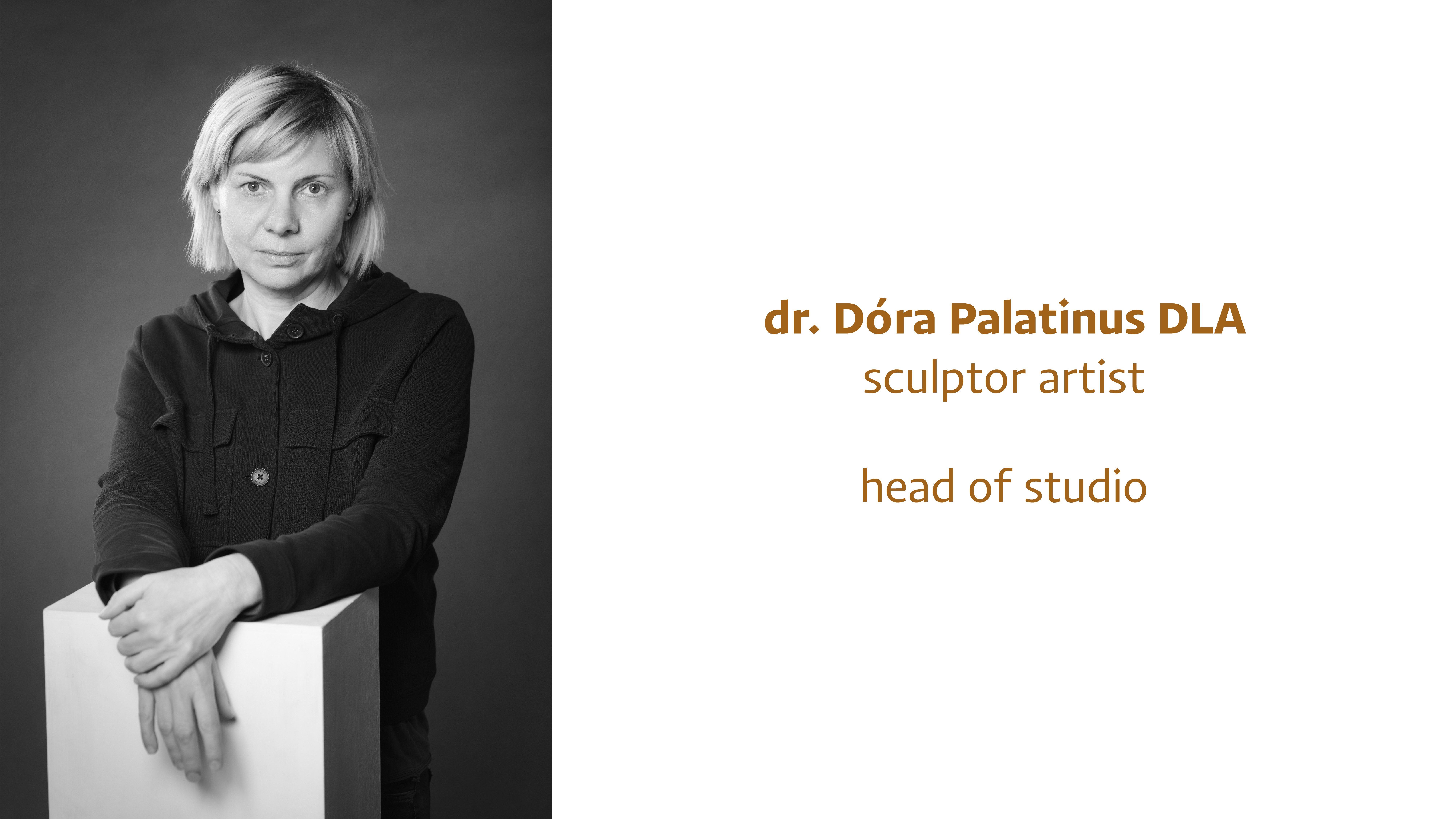
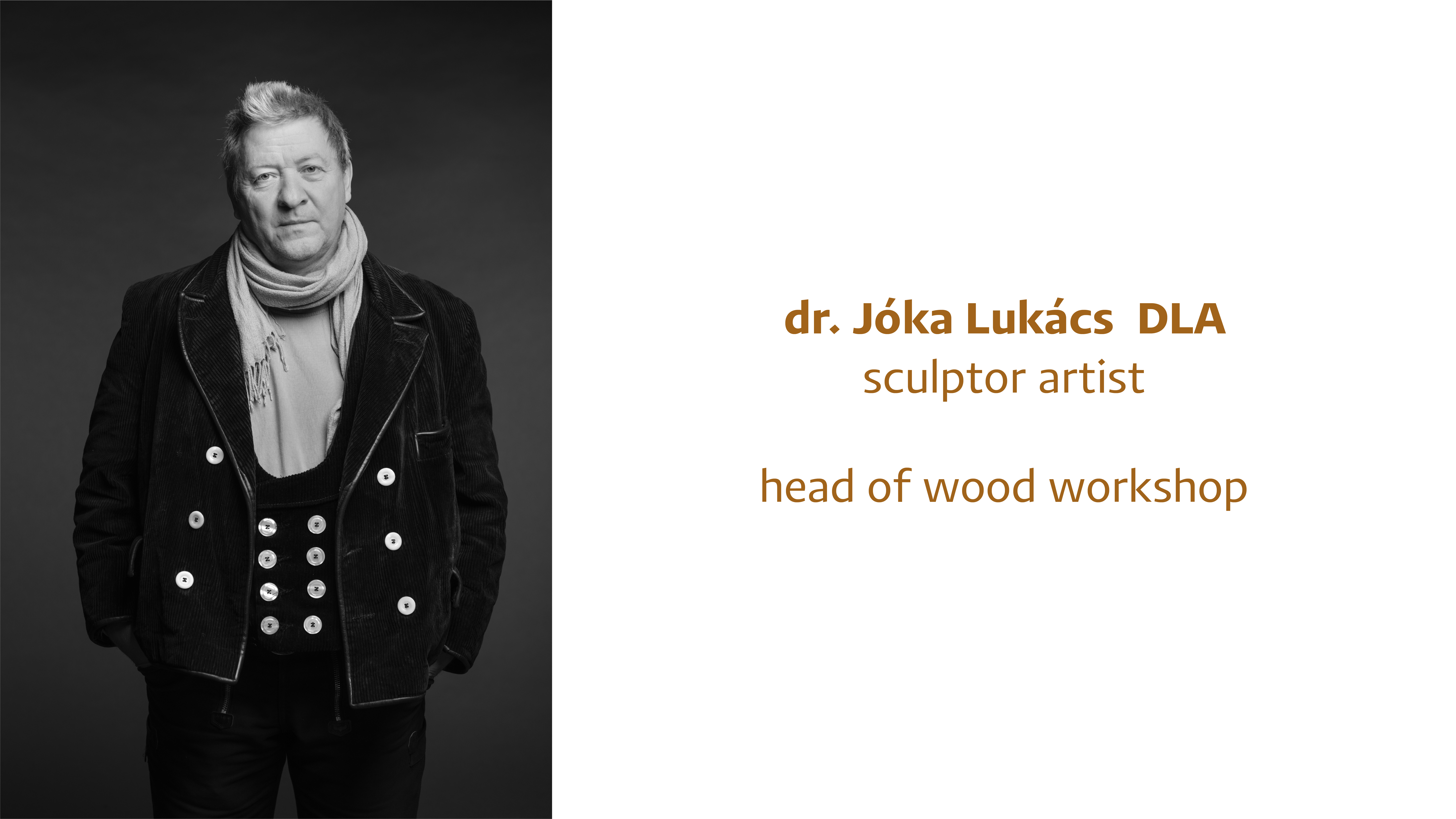
Our team:
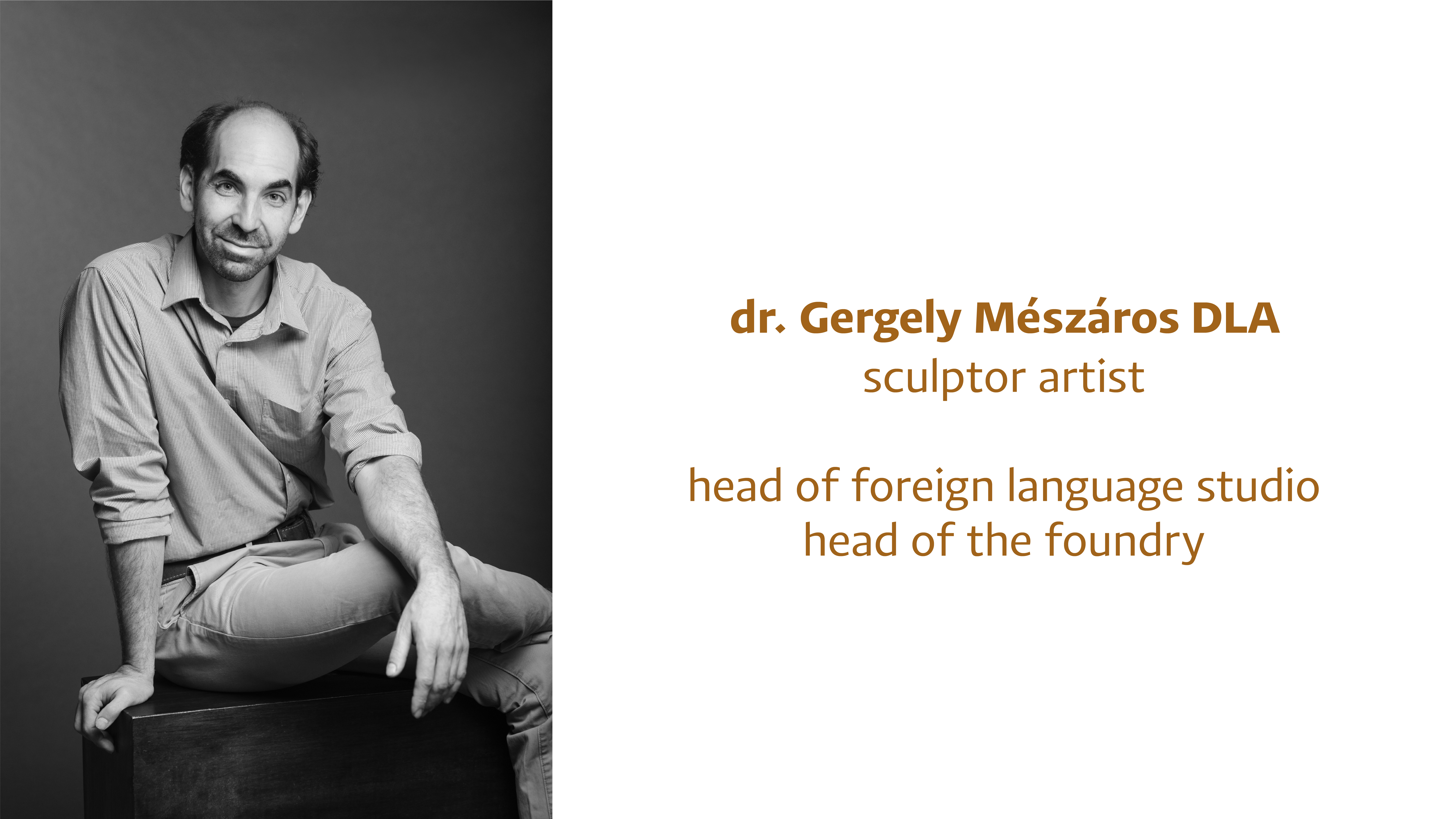
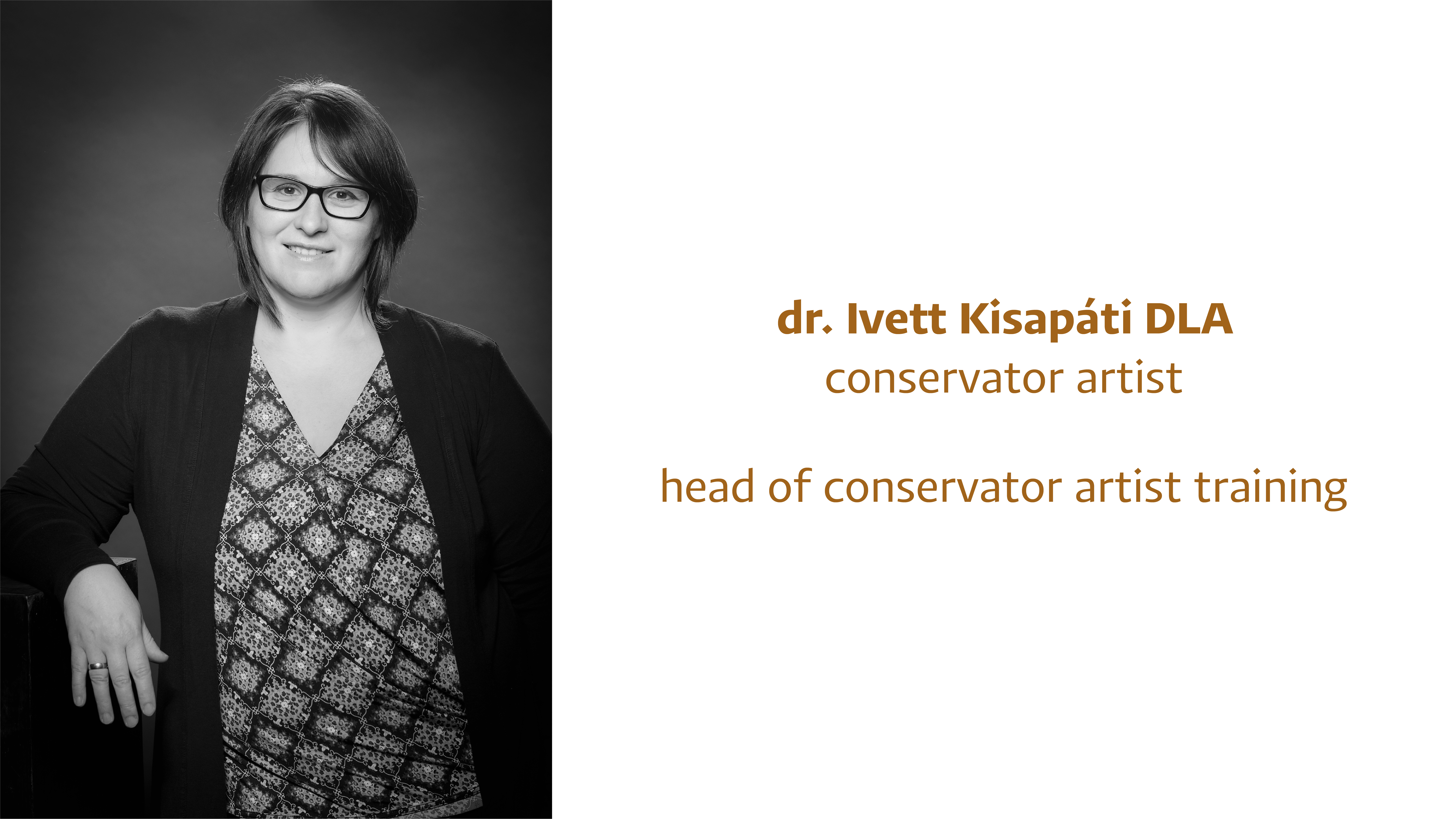
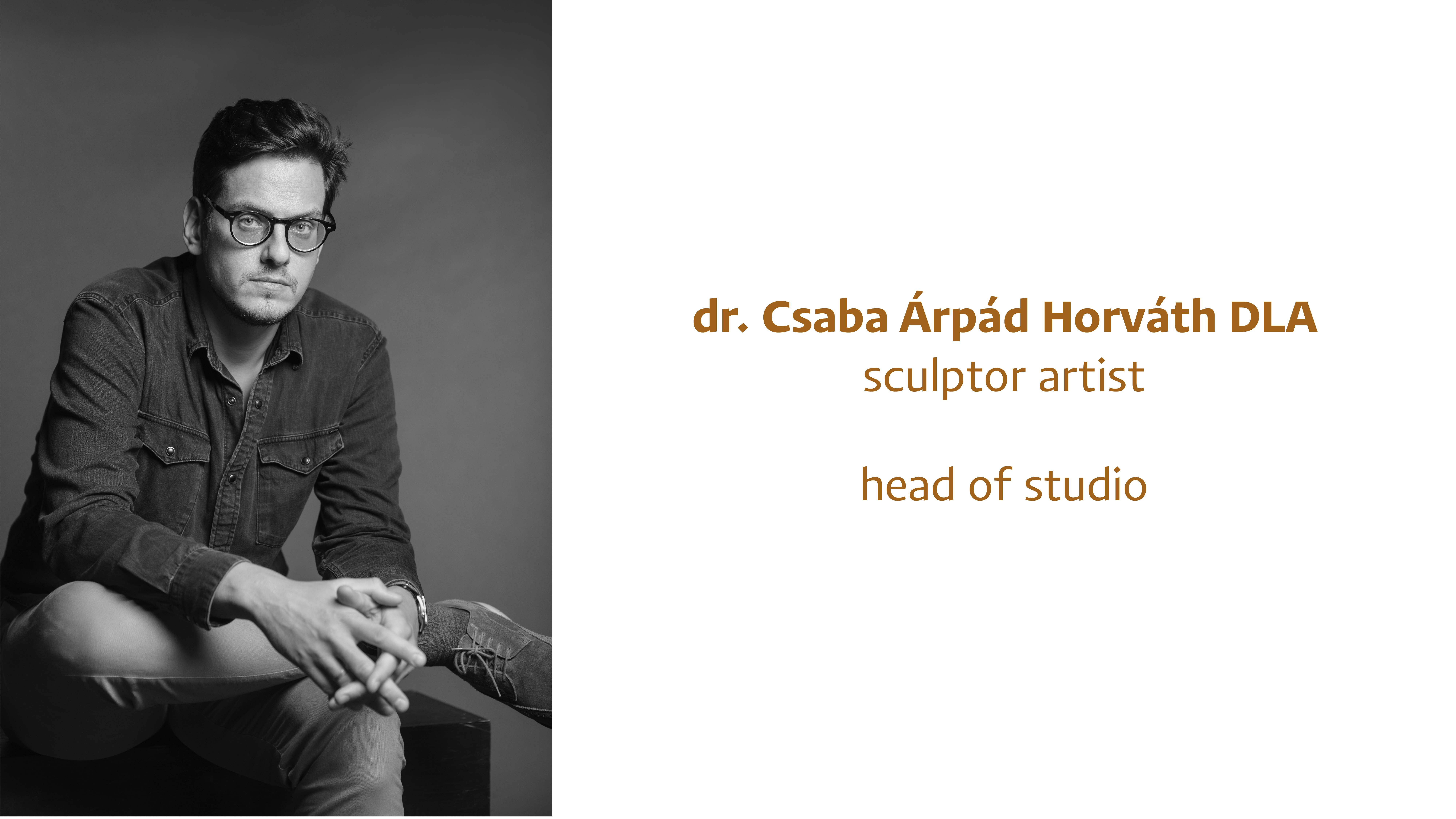
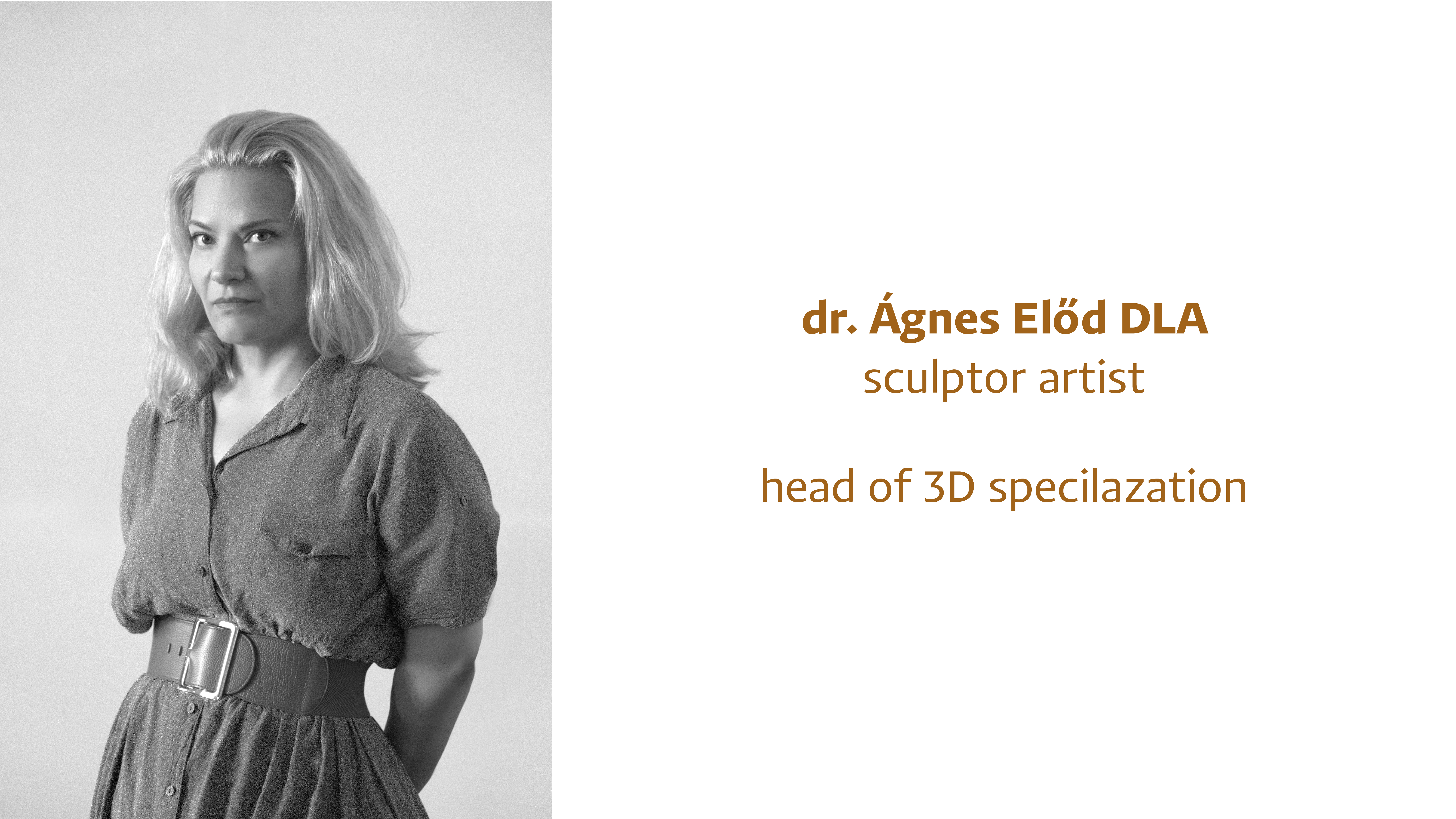
Where do we work?
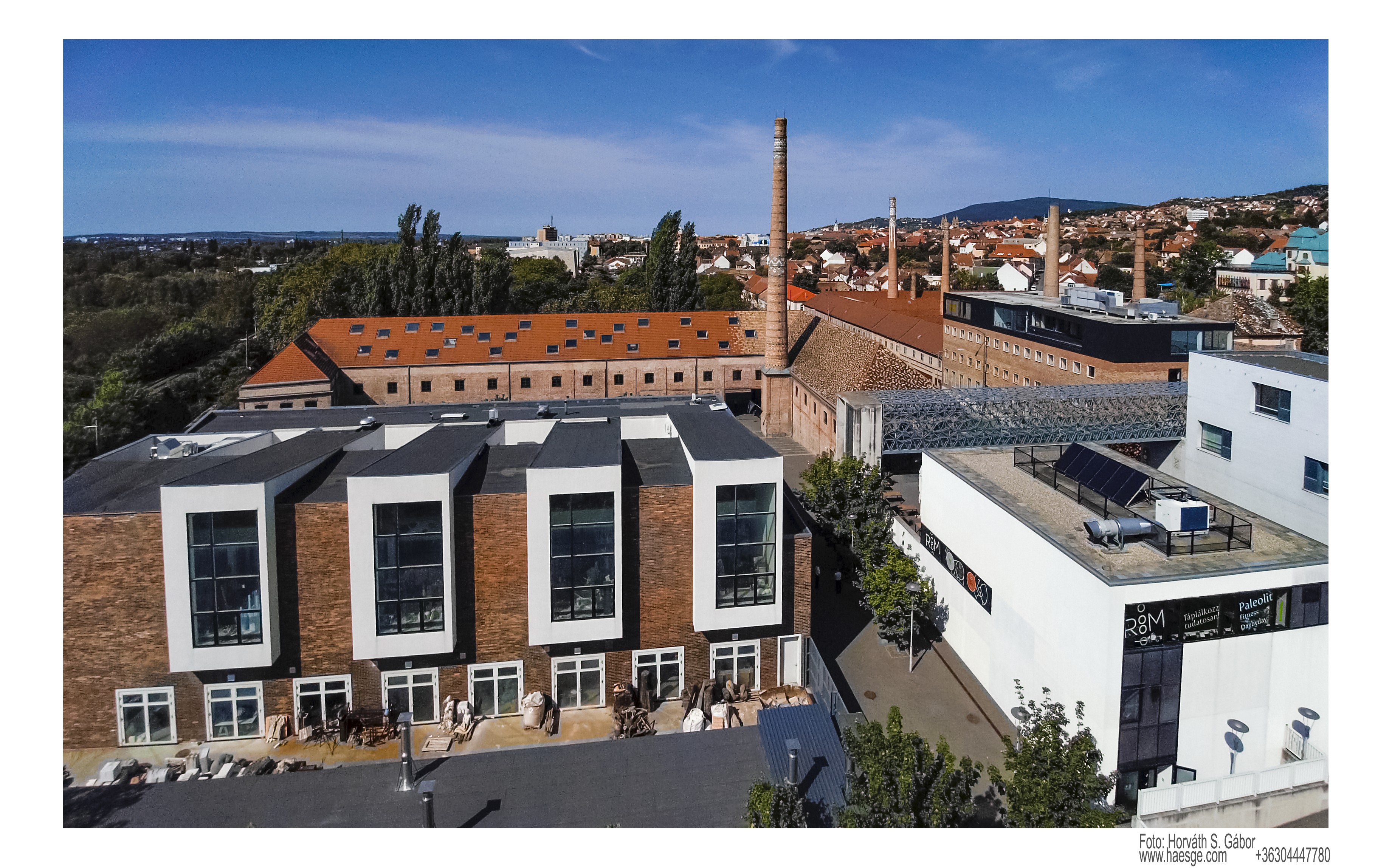
A major milestone in the life of the department was when Pécs became the European Capital of Culture in 2010. Thanks to the resulting developments, in 2011 the department moved to the Zsolnay Cultural Quarter, into a completely new and extraordinary environment. Education takes place in a unique historical setting (the former Zsolnay factory), combined with a well-designed, comfortable, highly functional campus equipped to European top standards.
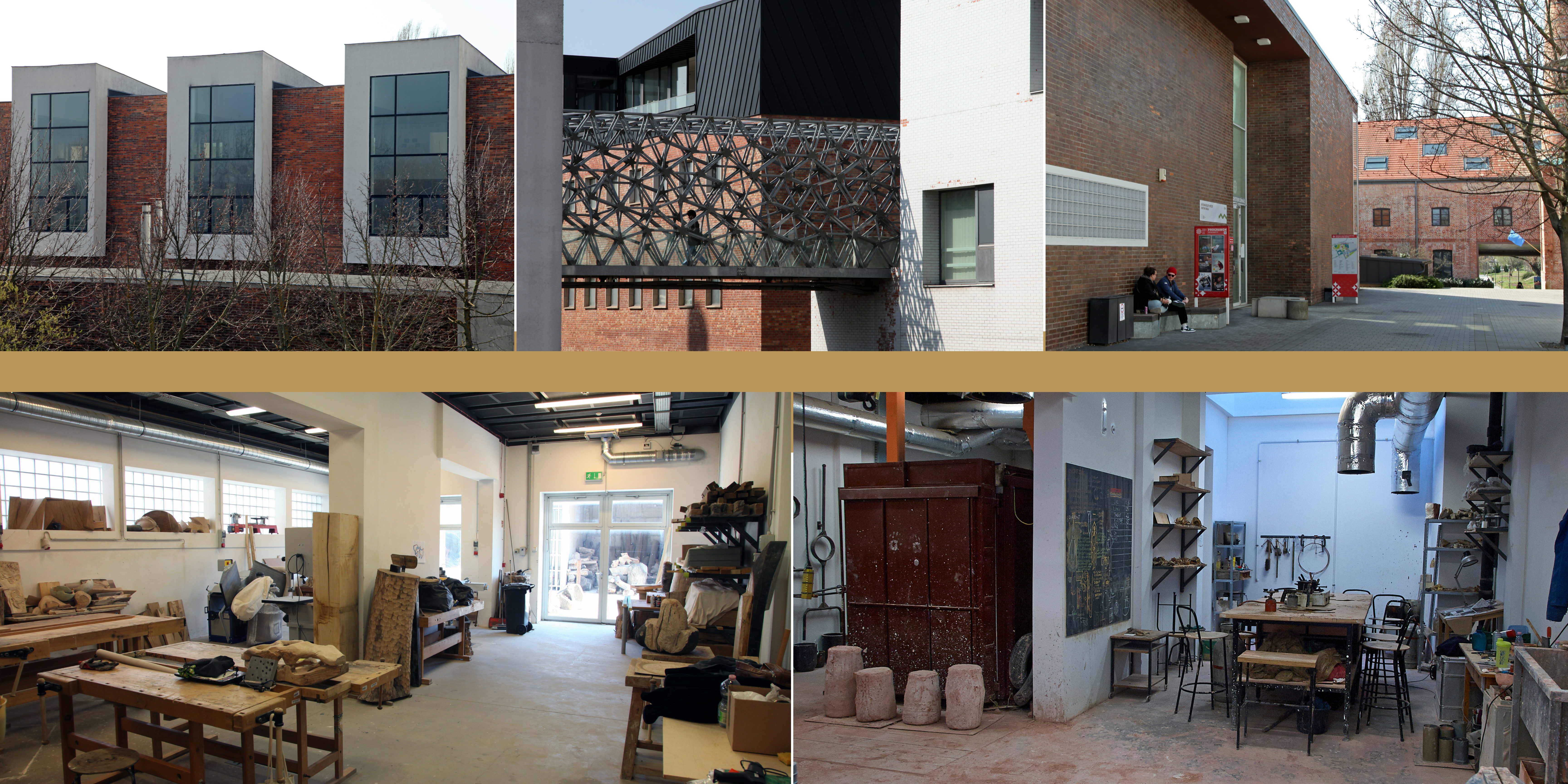
Let’s see in detail the building of the Sculpture Department (E74)
Workshops (ground floor):
- Wood workshop
- Foundry
- Metal workshop
- Stone workshop
- Restoration workshop
A large courtyard complements the workshops, allowing outdoor work even in rainy weather thanks to covered areas.
Studios (first floor):
- Class of Dr. Dóra Palatinus, DLA (Room 109)
- Class of Dr. Csaba Árpád Horváth, DLA (Room 108)
- Class of Dr. Zsuzsa Tóth, DLA (Room 107)
- Class of Prof. habil. Péter Lengyel, DLA (Room 106)
- Class of the International Sculpture Program (Room 108)
Each studio is modular, separated by movable walls, and includes a gallery level and terrace.
How do we teach?
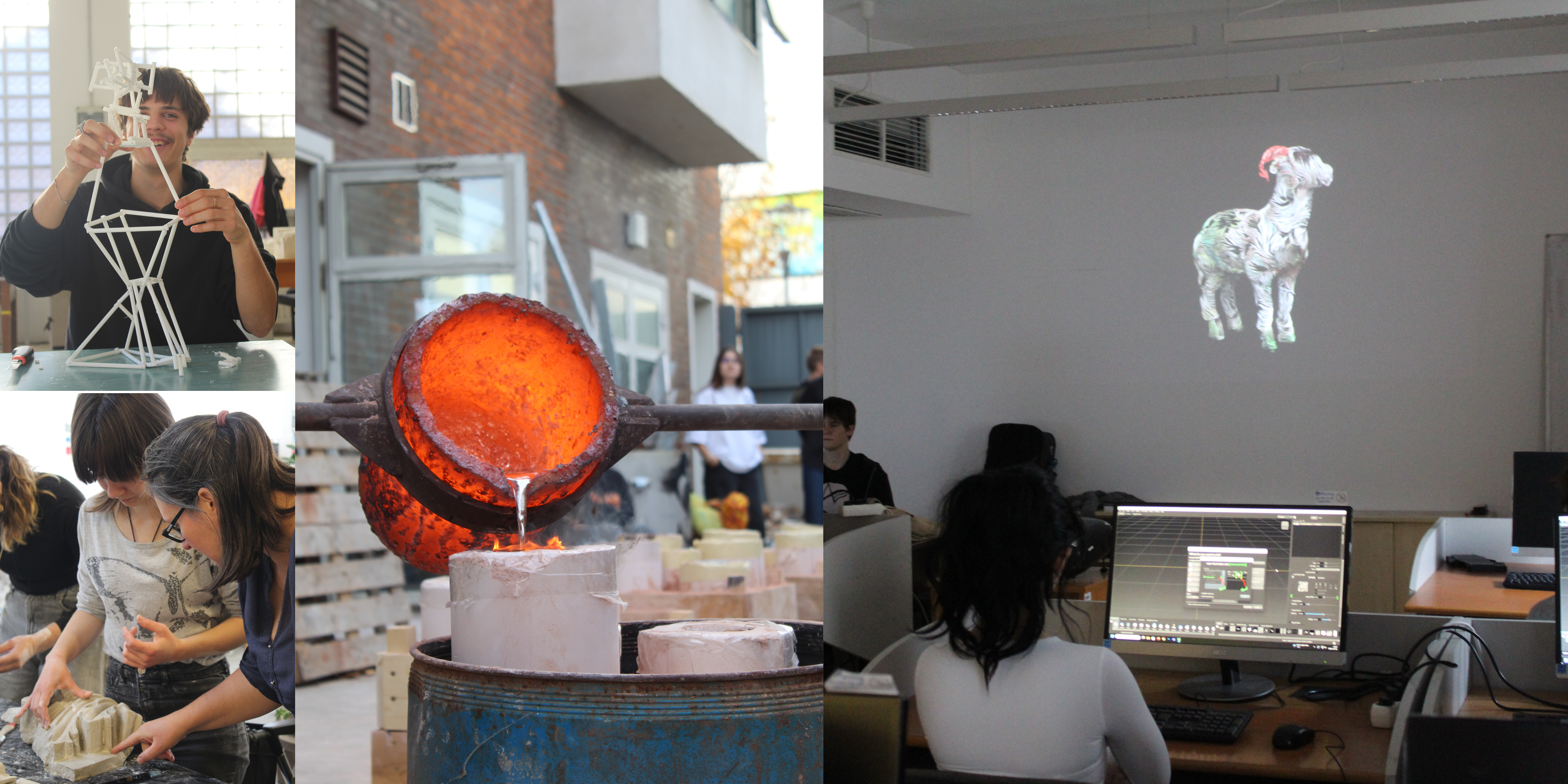
The character of the department is strongly influenced by the artistic spirit of Pécs: progressiveness. The other pillar of our training is professionalism with no comromises. These are the core values we keep in mind during the whole training process. We are genuinely interested in your abilities, interests, and direction. Our diverse, highly qualified teaching team ensures that whatever artistic direction you choose, you will find a mentor to support your development.
What will you study as a sculpture student?
Practical subjects:
- Sculpture (main subject)
- Plaster techniques
- Ceramic sculpture
- Compulsory metal casting
- Compulsory wood workshop
- Compulsory metal workshop
- Compulsory stone workshop
- Figure drawing
- Object representation
- Spatial representation
- Photography
- Portfolio preparation
Sculpture theory and practice:
- Anatomy
- Thematic workshop practice
- Descriptive geometry
Theoretical subjects:
- Art history
- History of philosophy
- Ethics
- Aesthetics
- Folk art
- Academic writing
What does the program look like in practice?
From Monday to Friday, 8 AM–12 PM, you will work in your studio with your master instructor. During the first three semesters, the focus is on classical sculptural skills (portrait, bust, relief, nude modeling), while encouraging creativity and developing individual styles. Usually at least two mornings per week are dedicated to some creative task.
Afternoons are dedicated to a rish material of theoretical studies, including anatomy in theory and in practice (Fun fact: you may even obdserve real dissections, if you wish), art history, philosophy, and other inspiring knowledge.
Wednesday afternoons are reserved for workshop practice, where you will learn to work with plaster, ceramics, wood, stone, and metal on a professional level.
From the third year onward, the focus shifts from general study tasks to your individual artistic projects. implemented in cooperation with your master teacher.
Students in the 3D specialization may gain opportunities to work in creative roles in Hungarian film studios connected to Hollywood productions.
Individual projects lead to the planning and implementation of the diploma work, in the nineth and tenth semesters. Now you only need to write your thesis and pass the closing exam to receive your diploma in sculpture!
What will you study as a conservator-restorer?
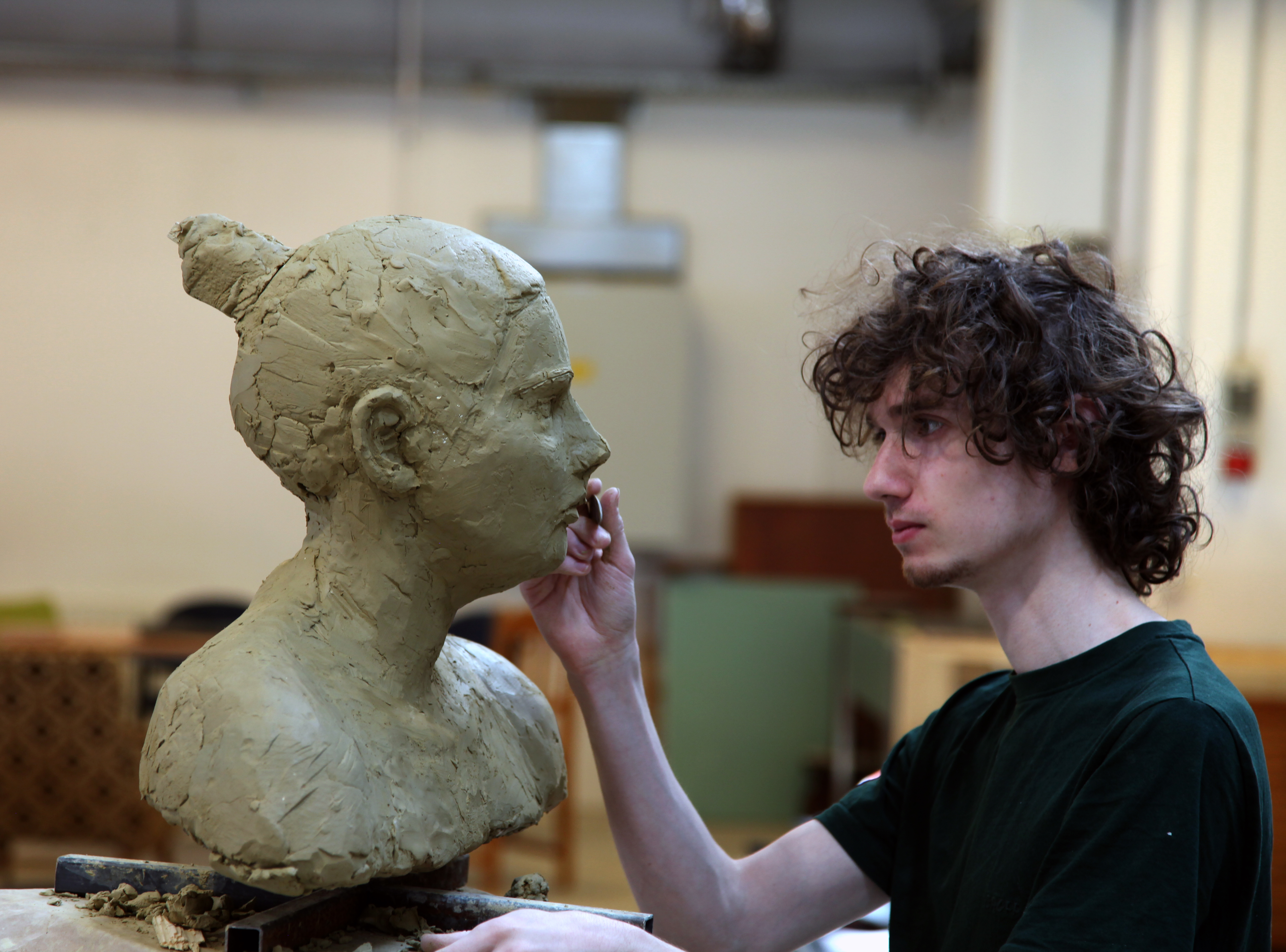
Practical training:
- Restoration studio practice
- Stone sculpture
- Ornamental sculpture
- Practical photography
- Figure drawing
- Painting techniques
Theory and practice:
- Anatomy
- Sone scuplture restoration theory
- Conservation of artworks
Theoretical subjects:
- Art history
- Organic and inorganic chemistry
- Costume history
- Material science
- Physics
- Iconography
- Museology
- Monument protection
Conservator – restorer undivided master’s program, stone sculpture specialization
During practical training, students progress from drawing, modeling, and copy-making tasks to independently carrying out complex restoration and conservation work, through the use and understanding of various sculptural and restoration materials and technologies. In addition to the theory and practice of restoration, the program also covers several scientific disciplines and fields, including applied natural sciences, art history, freehand drawing, and representational studies.
The training includes an art residency practice, supported through collaborations with institutions such as the Janus Pannonius Museum and the Nagyharsány Sculpture Park. The education of conservator-restorers is carried out through the cooperation of different faculties of the University of Pécs, among which the Institute of Physics at the Faculty of Sciences possesses significant research results and practical experience in the use of lasers for restoration
What is restoration?
A branch of art focused on preserving and protecting existing artworks.
Who is a restorer?
An artist who, understanding creative processes and using the achievements of modern technology, helps preserve cultural heritage.
Why choose restoration?
It offers a unique fusion of art and science, allowing you to deeply understand and revive historical artworks, ensuring their survival for future generations.
Why choose the Faculty of Music and Visual Arts at the University of Pécs?
The Faculty’s instructors possess excellent knowledge in nartistic training and strong scientific infrastructure, while the academic environment provides the facilities for scientific research, allowing students to work with both traditional techniques and modern tools like laser cleaning and 3D scanning. The result is a diploma that helps you in the job market.
A training, where past, present and future meet.
What will you study in the 3D specialization?
With the 3D specialization, you can find your place in the creative industry. You will acquire specialized and diverse expertise in game engines, animation, and 3D modeling. You will learn to scan and print in 3D professionally. With this knowledge, the worlds of game development, the film industry, and visual design will all open up to you.
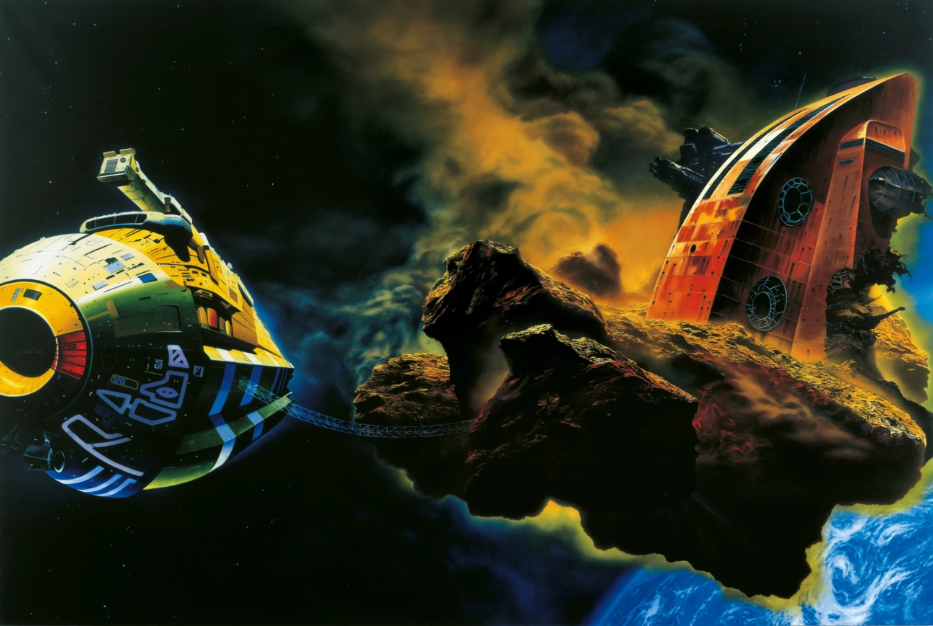
- Modeling (3DS Max, Rhino, Maya, Blender)
- Modeling (Mudbox, Zbrush)
- Game engines (Unity, Unreal)
- Texturing
- Animation
- VFX and virtual production
- 3D scanning data processing
What to expect at the entrance exam?
It is very likely that the admission process will be the first time we meet you (unless you have attended our DEMO or PREPARATORY program), so we would like to get to know you as thoroughly as possible. Primarily, we are interested in what you can do and what interests you.
Due to the nature of the foreign-language program, the admission process takes place online. You will only need a strong portfolio. Collect your best works in it. Your portfolio should include: drawings – studies, ideas and sketches, quick sketches; the more, the better, with a minimum of 10 drawings; sculptures – studies (portraits, busts, copies, possibly nudes), outdoor compositions in any material; the more, the better, with a minimum of 10 pieces. Photograph the sculptures from multiple angles and include their dimensions.
During the online admission session, the examining teacher will review your portfolio and ask questions related to it. They will also be interested in your motivation and your areas of interest.