
The Pécs School - The Mutually Transformative Force of Tradition and the Avant-garde
The Pécs School ([ˈpeɪtʃ] )is a progressive, unconventional and experimental contemporary artistic milieu whose roots - despite its avant-garde character - reach deep into tradition. Its artistic spectrum encompasses above all painting, sculpture and object-making, while also extending to architecture, music, dance and theatre. These fields do not merge into a single unified discipline; rather, in dialogue with one another and through their mutual effects, they shape a shared language.
In painting, the power of colour and the reflective use of abstraction predominate; in sculpture, the contemporary reinterpretation of figuration and material-based thinking come to the fore; in object-making, the current and innovative use of traditional media becomes especially significant. All this is expressed in a distinctive artistic language that may be called “Pécs-like”. This language is not stylistically homogeneous, yet it possesses a perceptible internal cohesion: it is closely connected to the local milieu, to the urban and natural environment, and to the studio training tradition of Central European art education.
The notion of “Pécsness” is shaped by the conscious use of colour, the relationship to abstraction, critical reflection on the social environment, and an engagement with the changing spirit of the age (Zeitgeist). Together, these factors produce an artistic practice of outstanding quality, one that, while locally embedded, can also be understood and remains relevant in an international context.
|
|
| 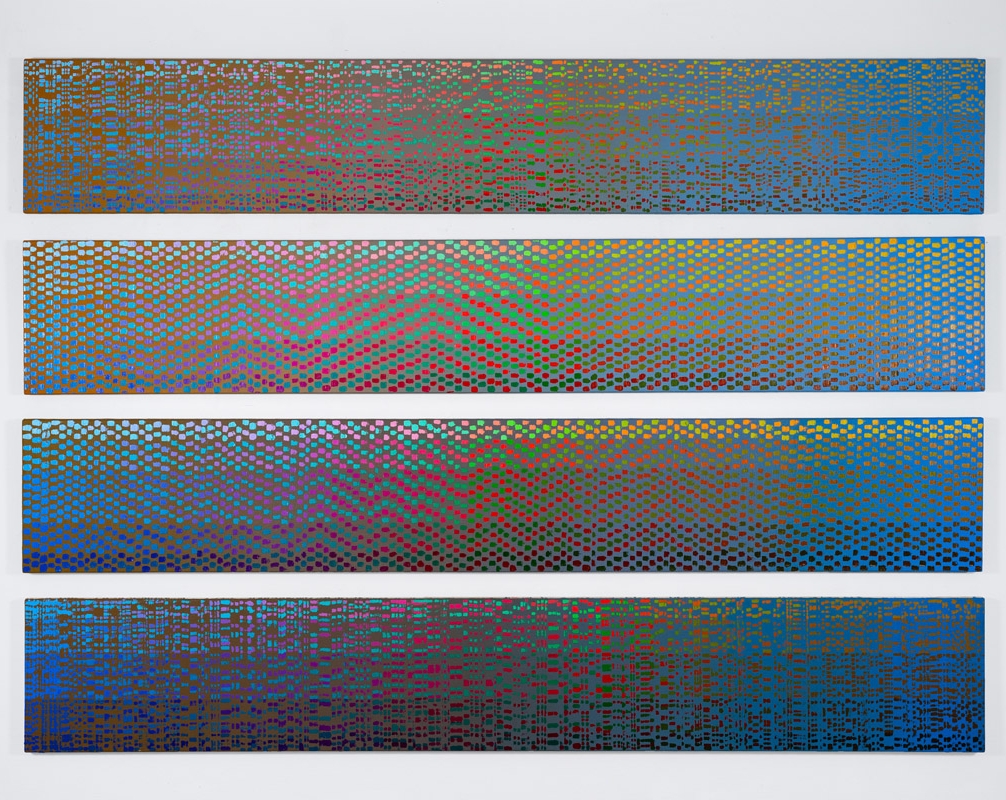 István Losonczy: Dawning, 2025 |
The City
The Pécs School is closely bound to the city of Pécs. Its diversity derives in part from the city’s rich natural setting, its complex historical past and its layered cultural character. The Mediterranean quality of the urban environment, the proximity of the hills and the fabric of nature are not merely a backdrop; they also shape artistic perception and artistic thought.
Pécs was founded in the Roman period, in the second century, under the name Sopianae, and by the fourth century had become one of the important centres of early Christianity. Historical changes - though they did not destroy the city - left deep traces upon it: the monuments of Ottoman architecture, the mosques, türbes and baths, remain defining elements of the cityscape. For a long time this multi-ethnic city was an important commercial and industrial centre; in the seventeenth century the Jesuits also significantly shaped its character.
Because of its cultural importance, Pécs was often referred to as the “Hungarian Heidelberg”. Its cultural life today - both in music and in the visual arts - is outstanding on a national scale. Its major institutions include the Modern Hungarian Gallery, the Csontváry Museum, the Vasarely Museum, and numerous galleries and exhibition spaces. The concert life of the Pannon Philharmonic and the city’s festivals likewise testify to a vibrant intellectual milieu.
The University of Pécs is based here and plays a defining role in local cultural and artistic life. In 2010 Pécs held the title of European Capital of Culture. Among the developments associated with that period, the Zsolnay Cultural Quarter stands out; it remains one of the centres of artistic life and is also home to the Faculty of Music and Visual Arts.
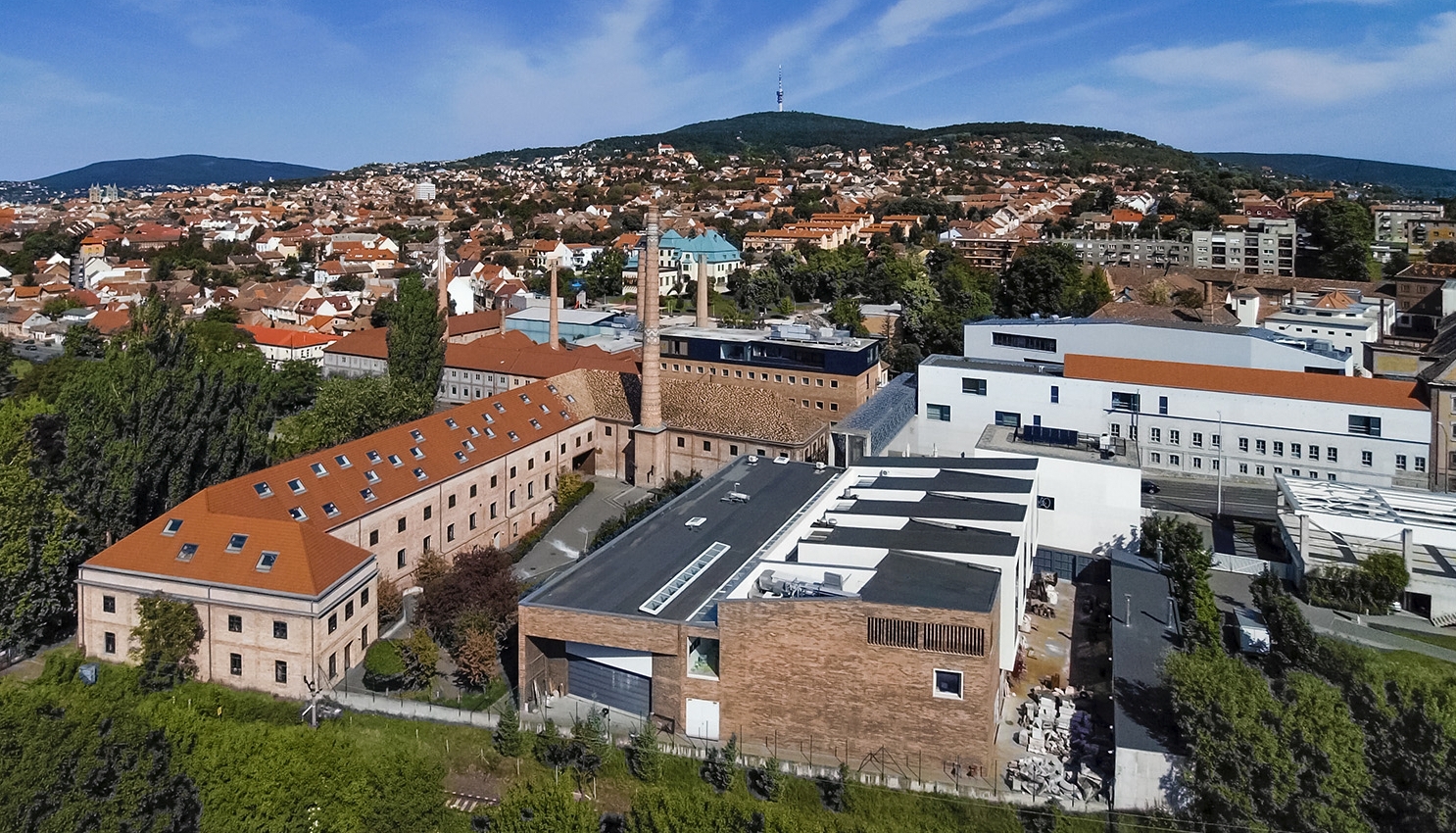
The Zsolnay Quarter with buildings of the Faculty of Music and Visual Arts (Picture: Gábor Horváth)
The History of the Pécs School
From the second half of the twentieth century onward, Pécs became one of the defining centres of Hungarian and Central European contemporary art. Within the city’s cultural fabric, avant-garde traditions, an interartistic outlook and an experimental attitude were already strongly present during the socialist period.
Music, dance, theatre, literature and the visual arts developed in close interaction, creating a progressive artistic scene that was unique even on a regional level. This avant-garde yet tradition-based character is well exemplified by early initiatives such as the productions of the Pécs Ballet, founded in the early 1960s. For the ballet The Ballad of Horror, the dancer and choreographer Imre Eck invited the contemporary composer Sándor Szokolay to collaborate. In the production, designed around a minimalist set built on a torture stake, men in pike-grey clothing tortured an innocent woman to death.
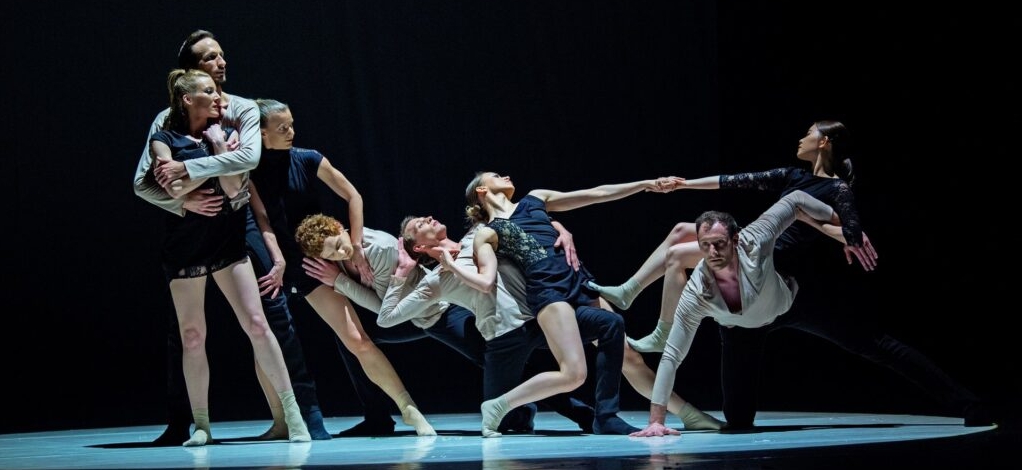
The Pécs Ballet
It may seem surprising, though it was not exceptional, that a performance so shocking both in theme and in formalist aesthetics, and so brutal in character, was permitted in the socialist 1960s. The reason lay partly in the fact that, only a few years after the Rákosi dictatorship, Pécs, although still under political control, enjoyed the permissive and even supportive attitude of György Aczél, secretary of the Hungarian Socialist Workers’ Party. By encouraging local experimental contemporary artistic practices, Pécs became an artistic scene that was exceptional even in Europe.
Theatre life was also shaped by Antal Németh, the legendary director of the National Theatre in Budapest, while the art journals Jelenkor and Öttorony undertook the presentation of contemporary literature and art that had otherwise been silenced. In this milieu, tradition and the avant-garde appeared not as mutually exclusive poles, but as forces that shaped one another.
In the visual arts, a major influence was exerted by Ferenc Martyn, who had grown up in Paris as the adopted son of József Rippl-Rónai. Martyn transmitted the spirit of the French avant-garde and brought the ars poetica of Abstraction-Création into the Pécs scene.
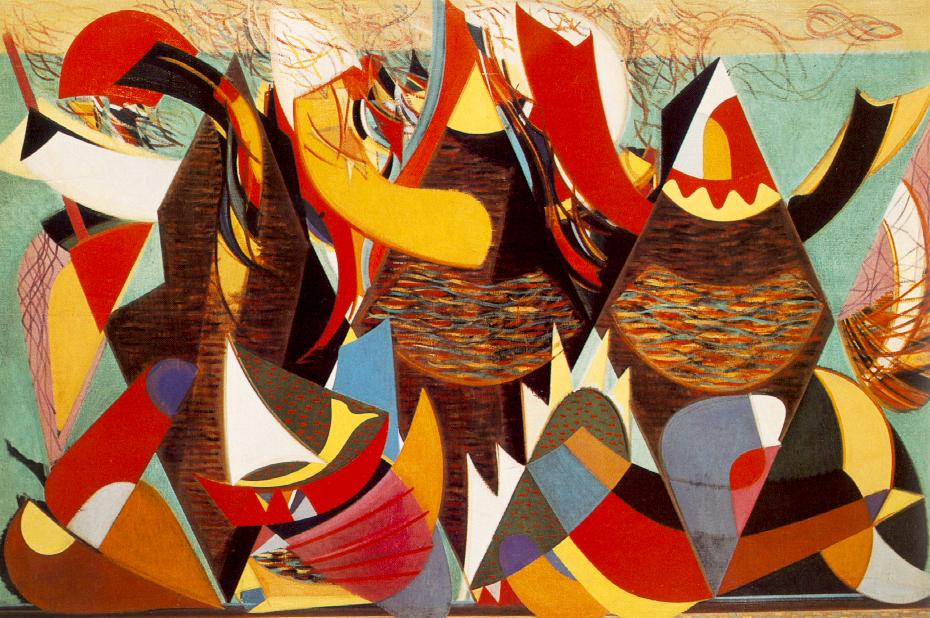 Ferenc Martyn: Composition, 1943 | 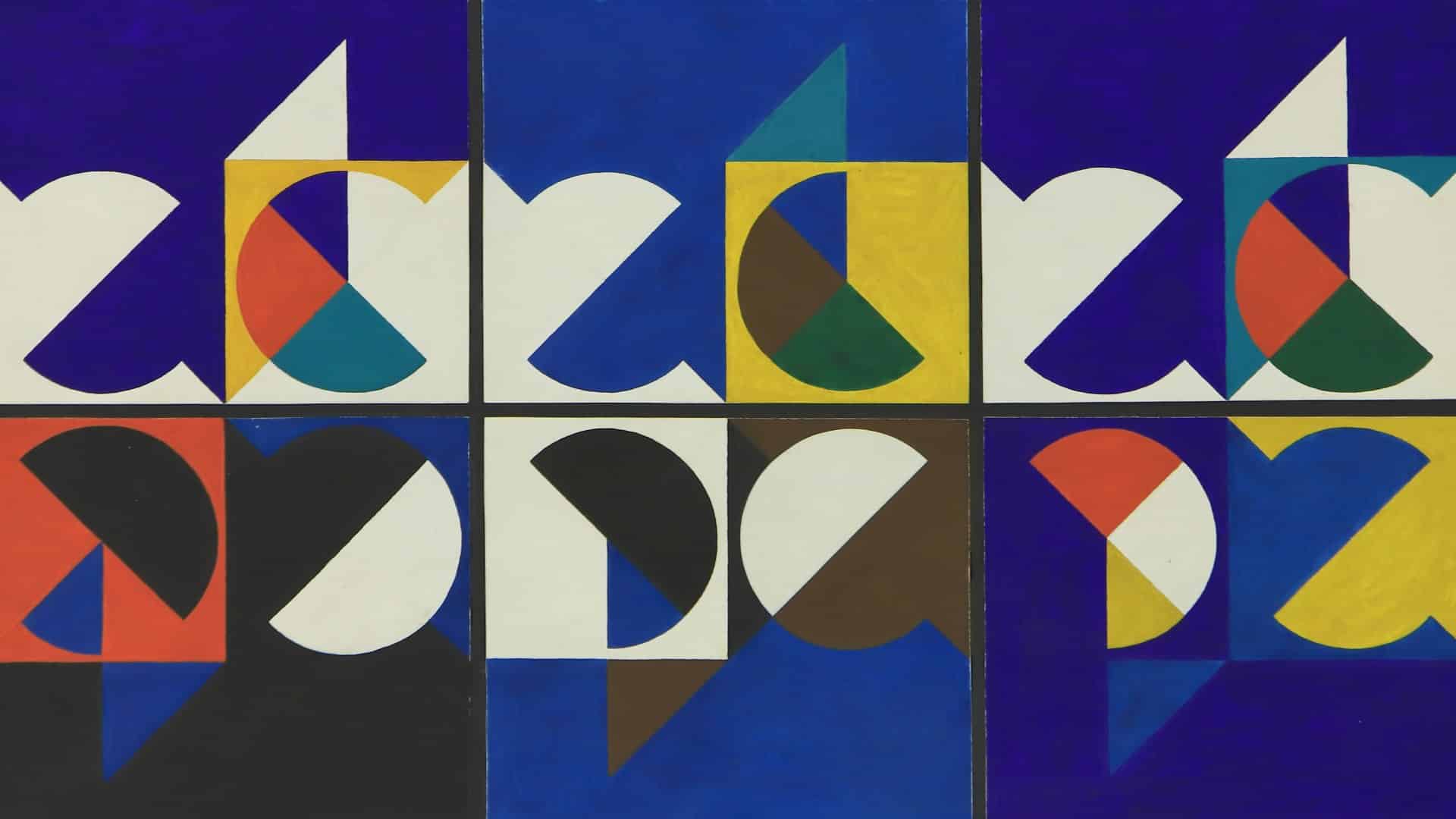 Ferenc Lantos: Round Composition, 1967 |
Among his pupils, Ferenc Lantos became a defining figure of geometric abstraction and visual education, while Ilona Keserü, through her school-founding activity, became one of the central figures of higher art education in Pécs.
It was in this context that the internationally successful Pécs Workshop could come into being. With the participation of Sándor Pinczehelyi, Károly Kismányoki and other members, it developed into a first-rate progressive artistic tendency with a strong conceptual, abstract, performative and land art orientation.
Pécs Workshop
The work of the Pécs Workshop is one of the best-known chapters in the art history of Pécs. This progressive artistic group, well aligned with the aspirations of the international avant-garde, embodied a spirit in which socially critical and art-critical statements were formulated with a Hungarian, and more specifically Pécs, character. Their works were linked to the tradition of Dada and to conceptual art, while never lacking humour.
Alongside performances and photo-based and installation works, the artists also practiced the image-making of geometric abstraction. Their objects, simple, incisive and often carrying political messages, are saturated with strong artistic references and a highly developed formal language; in a certain sense they may be related both to Andy Warhol and to the American minimalists.
At the same time, the group differs from Western conceptual tendencies in that, despite their reduced use of materials, the marked presence of abstraction and of the Lantos tradition means that even their conceptual works bear the signs of geometric abstraction. There is therefore no escape from the aesthetic mission: the freedom of geometry, the openness of form and its freedom from reference come into focus. The art historian László Beke was an active observer of the local art scene from the 1970s onward and sought to secure international appearances for the artists. The Pécs Workshop thus remained at once a locally embedded and internationally oriented artistic phenomenon.
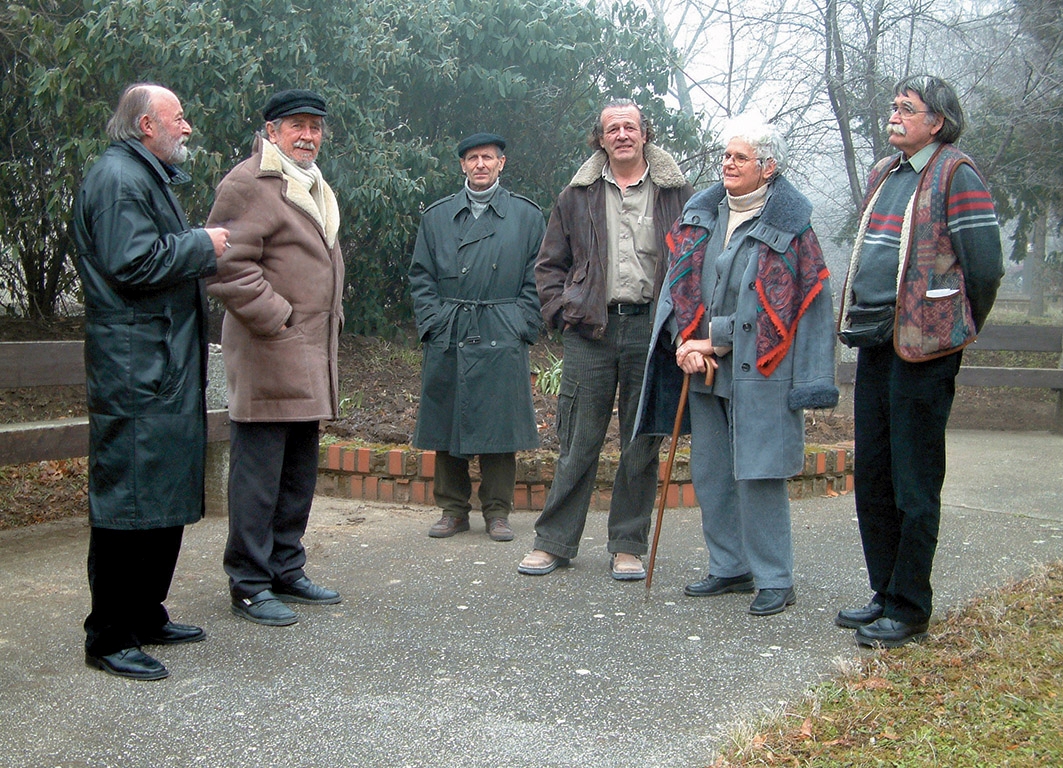
Ernő Tolvaly, István Bencsik, Imre Schrammel, Colin Foster, Ilona Keserü and Sándor Rétfalvi
The School
In Pécs, the artistic milieu and education have been continuously intertwined. Because of the scale and cultural density of the city, this phenomenon is perhaps even more palpable here than in larger cities; it can be compared with European examples such as the conditions that gave rise to the Leipzig School or the role played by Goldsmiths College in the emergence of Young British Art.
Art education in Pécs began with the drawing department of the Pécs Teacher Training College and later rose to university level. Under the coordination of Sándor Rétfalvi, István Bencsik and Ilona Keserü carried forward high-level training, and the ceramic artist Imre Schrammel later joined the team. The Pécs Master School grew out of this process.
The inspiring Pécs context was constantly present in the educational process as well. The physical and intellectual legacy of the world-famous Zsolnay Factory, the Siklós Ceramics Workshop, the Nagyharsány Sculpture Park, and the National Biennials and Triennials of Ceramic Art provided a fertile ground that also supported an international standard of artistic practice.
The inclusion of applied arts and utilitarian objects within so-called high art is especially natural in the Pécs context, not least because of the Zsolnay legacy. In the ceramics department, distinguished artists such as Márta Nagy and György Fusz represented, on the one hand, the sculptural autonomy of ceramic art and, on the other, an attentiveness to design. Thus artistic thinking also appears in the aesthetics of functional objects.
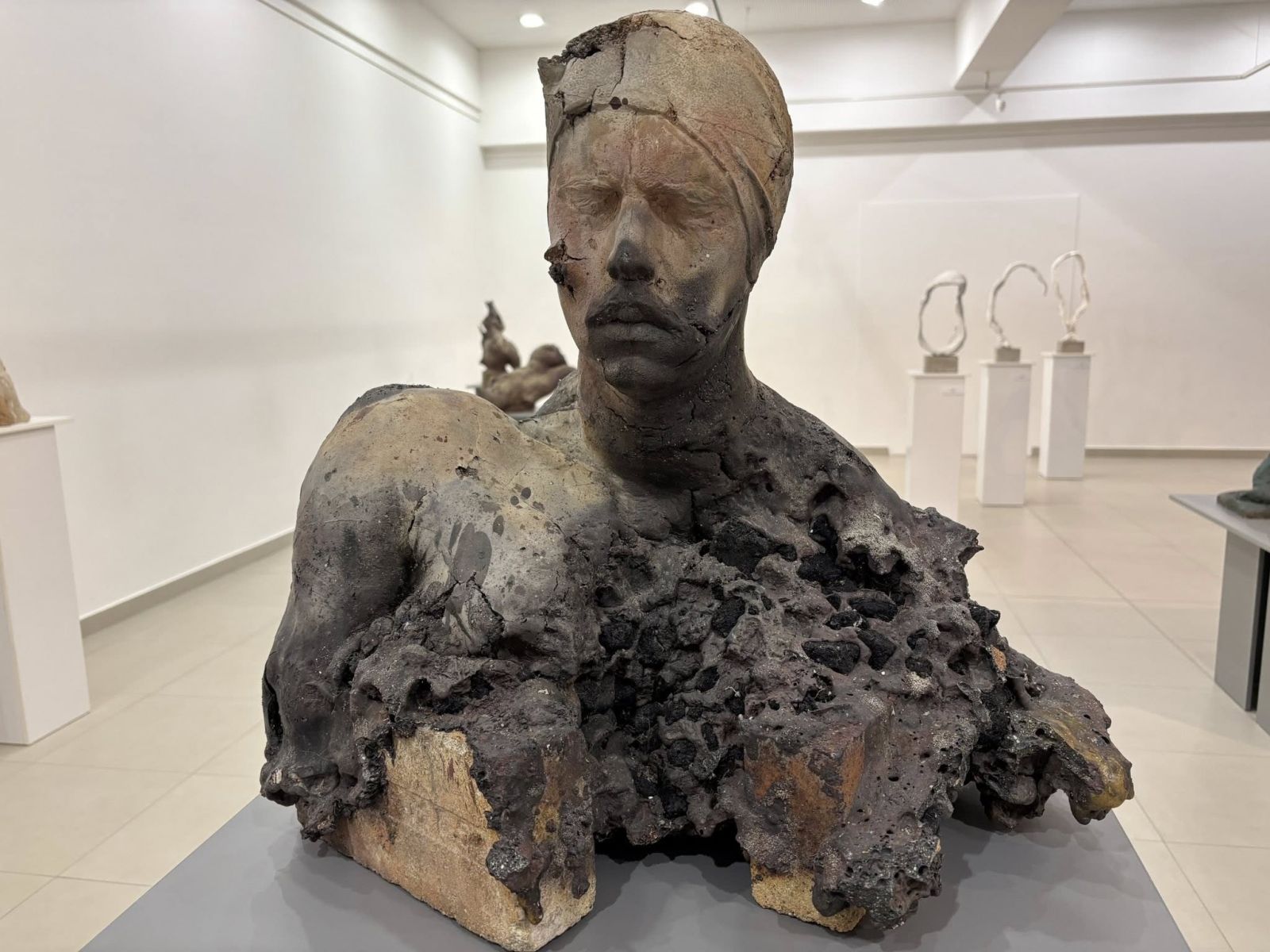 György Fusz: Dying One 1, 1981 | 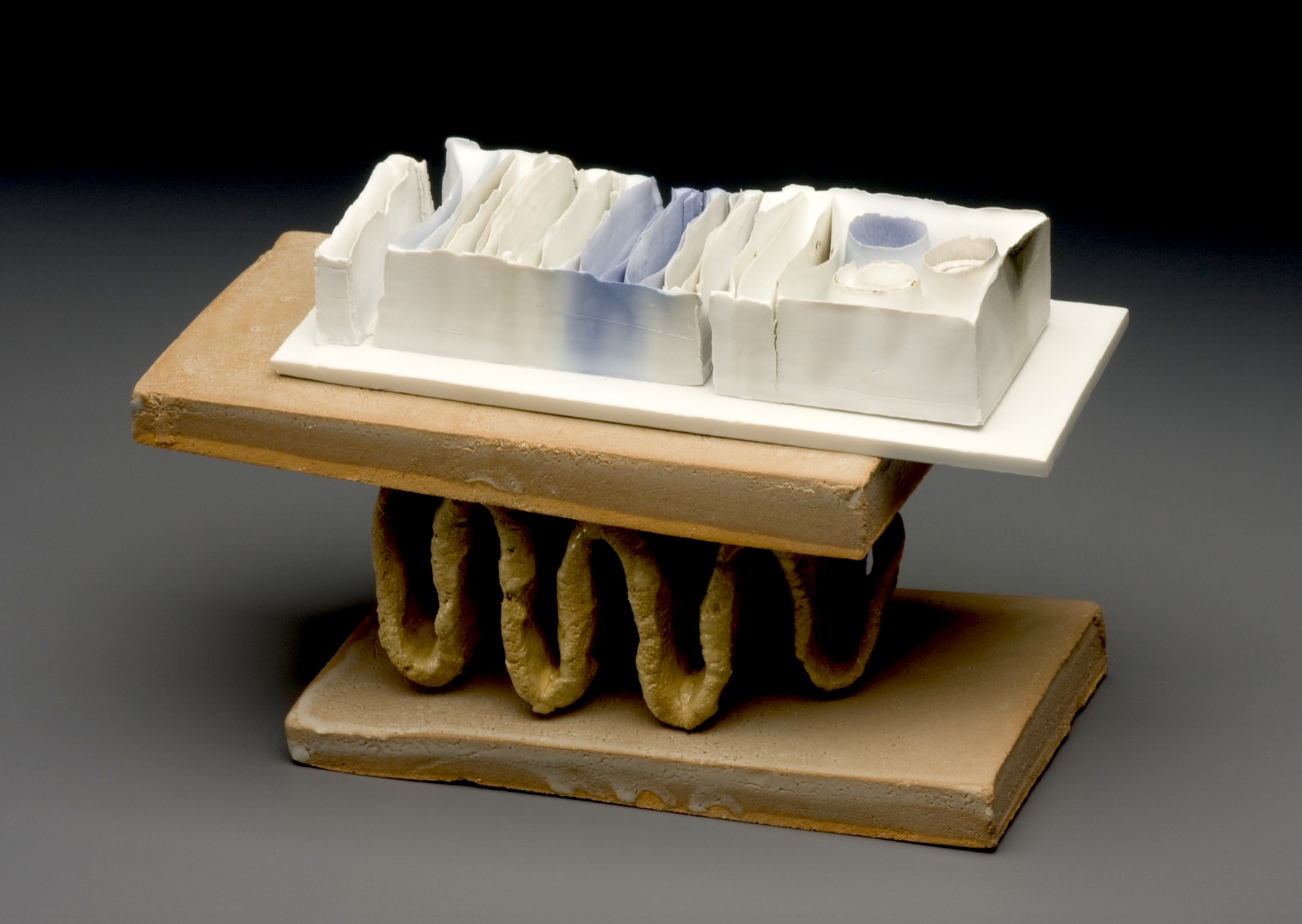 Márta Nagy: Snake in the Garden 1, 2008 |
The marked material-based sculptural direction was represented by István Bencsik, while the stone-carving house of the Baranya Artists’ Colonies in Villány provided a practical setting for this work. Here, too, the environment is closely intertwined with artistic creation, and the university’s sculpture workshops continue this tradition as an experimental, context-based contemporary practice.
The distinctive painterly tradition was represented by the influential art of Ilona Keserü. Her powerful use of colour and her creative and pedagogical approach, which later culminated in the Colour Force project and may even be linked to the philosophy of the Bauhaus, found fertile ground in this Mediterranean region, where the senses, physical presence and perception play a special role in one’s relation to life and to art.
Ilona Keserü’s internationally recognised oeuvre is marked by an abstract formal language, archetypal forms and gestural signs. Connected to this is Ferenc Lantos’s art of geometric abstraction, which belongs to the international current of radically reduced concrete art: from the Russian Constructivists through the Bauhaus and De Stijl to various forms of American Minimal Art. His precisely and geometrically designed works appear in different media and are equally alive in small formats on paper and on large-scale mural enamel panels. The collaboration with the Bonyhád Enamel Factory is yet another example of the kinds of cooperation that supported artists working in Pécs.
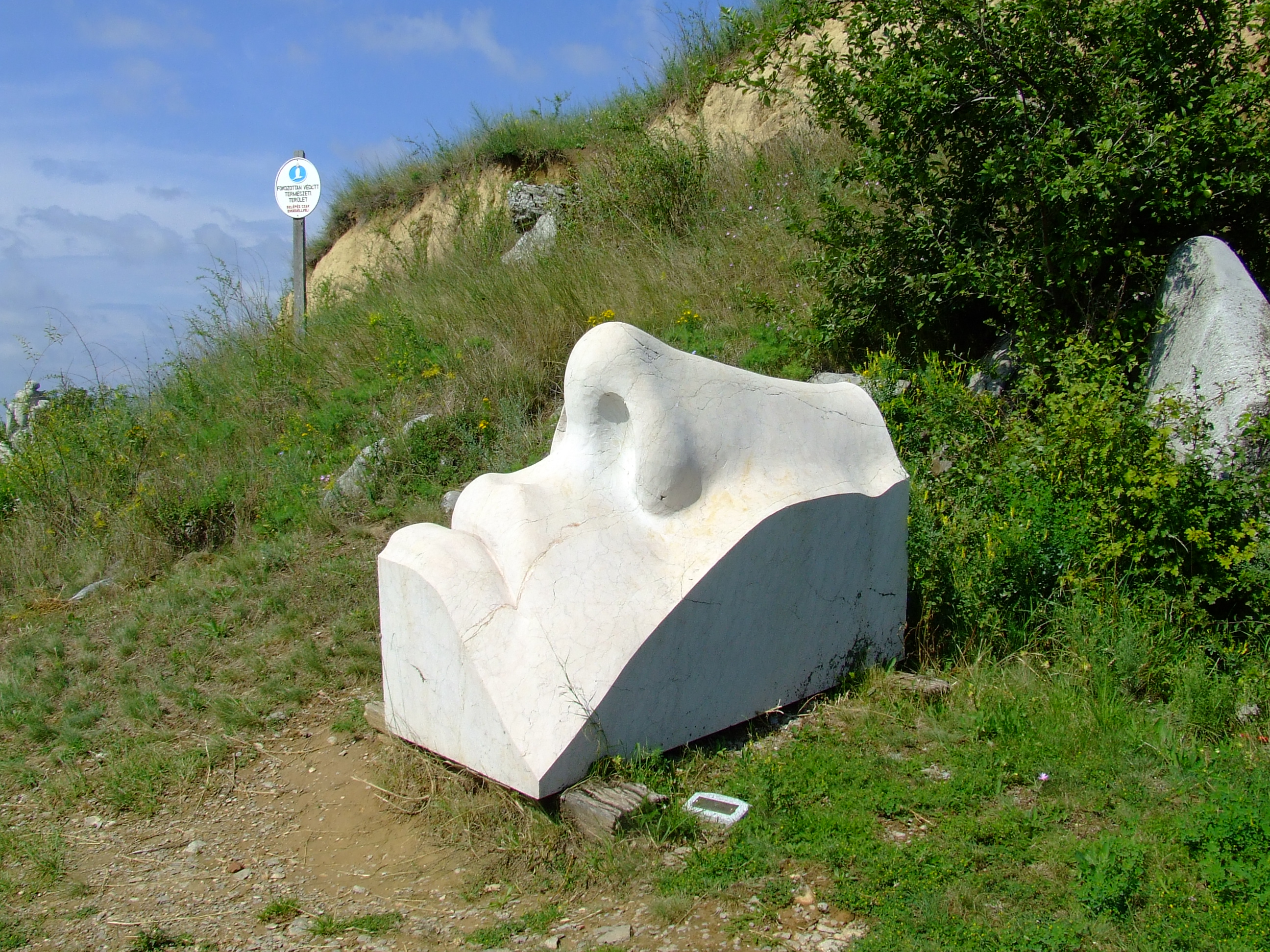 István Bencsik: Face (Madonna), 1981 | 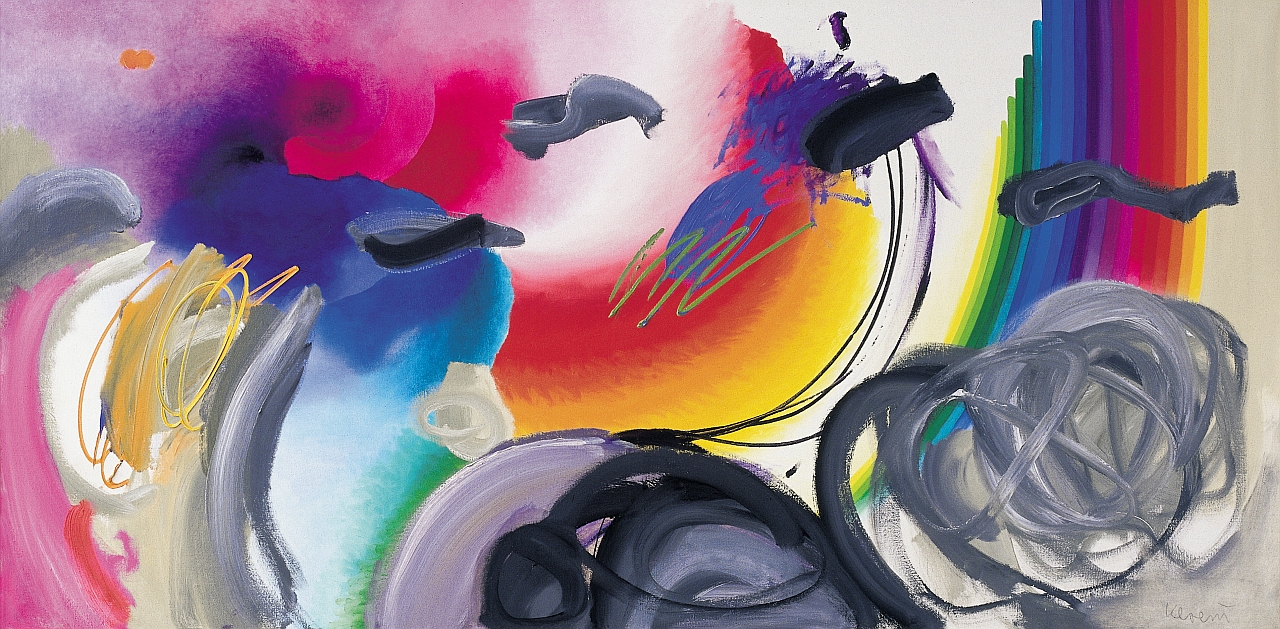 Ilona Keserü: A Glimpse into Time 2, 1992 |
The Pécs School remains a living and continuously evolving artistic organism. It both preserves tradition and operates in an avant-garde manner: it is open to the new while remaining closely connected to its historical and institutional roots. In recent years, alongside the expansion of object-making, dance and theatre education have also been launched at the Faculty, further strengthening the integrative character of art in Pécs.
The collaboration among the arts does not take place in the way commonly associated with Western Europe. The Faculty represents a distinctive Central European language: it does not train all-round “total artists”, but - faithful to tradition - autonomous creators loyal to their own disciplines. Painters paint, sculptors make sculpture, musicians make music; yet the Gesamtkunstwerk comes together as the various art forms work with one another as co-creators, as if joining a symphony, with attentiveness and openness toward the other, but without merging into the other discipline.
The Pécs School is not a closed system, but a continuously forming organism, owing to younger contemporary affiliations and other organic changes. The visual and intellectual kinship that extends across several generations is embraced by the city of Pécs, the Mediterranean atmosphere, the hills and the fabric of nature. Like other schools that have grown into artistic movements, the Pécs School continues to change to this day in close partnership with a university.
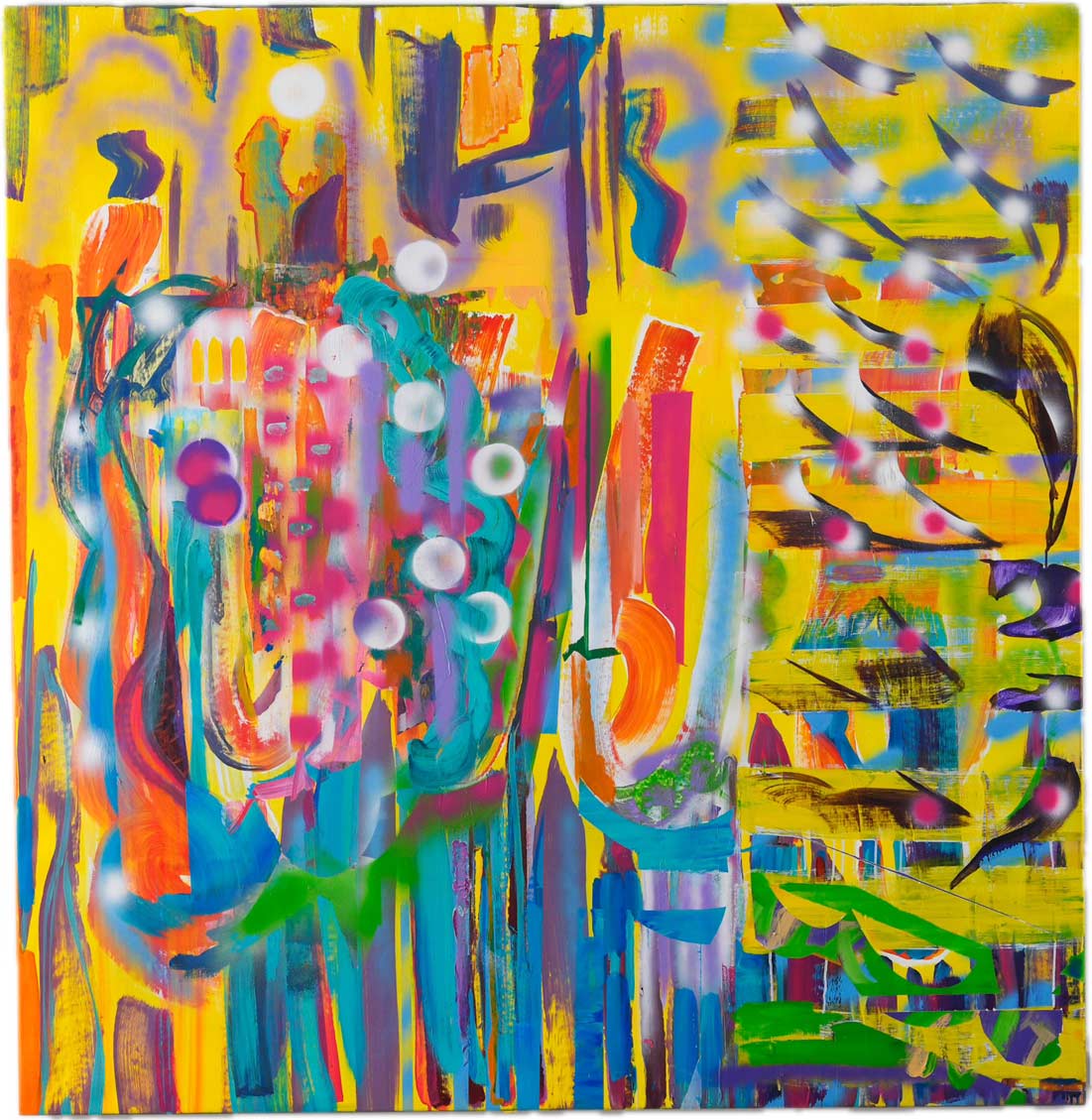
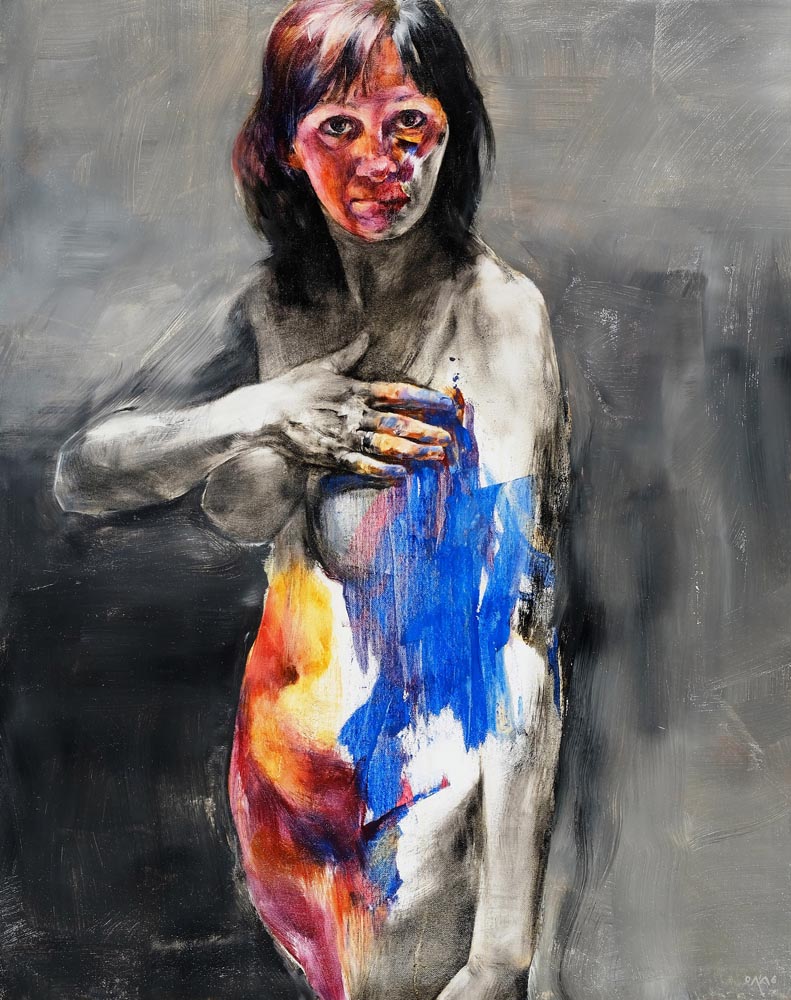 Márta Nyilas: Painted into Life, 2016 |
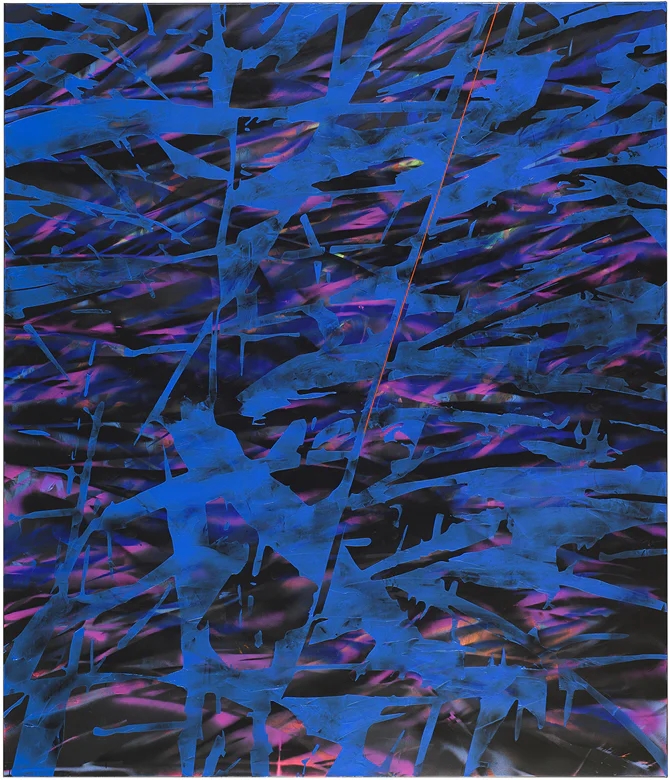
|  Gergely Mészáros: In the memory of the pigeons, 2019 |
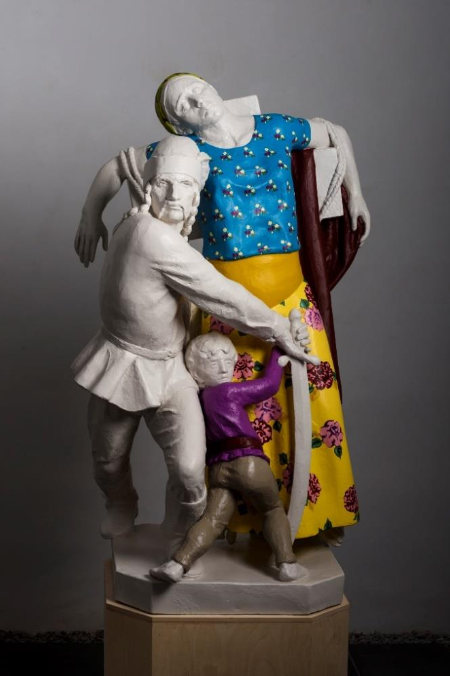
Selected Artists of the Pécs School
The following selection offers brief profiles of some of the artists whose work has shaped, or continues to shape, the visual language, material culture and educational legacy of the Pécs School. The School includes closely and loosely associated artists, here are some of the currently defining members.
Ilona Keserü
Ilona Keserü is one of the defining painterly figures of the contemporary artworld, her works are included in MOMA New York, Centre Pompidou, Ludwig Museum or Museum of Fine Arts, Budapest Collections. She is one of the founders of the Pécs School; in her art, colour is not an auxiliary element but an autonomous sensual, structural and spiritual force. Across her oeuvre, recurring motifs, flattened organic forms, powerful contours and intense fields of colour are joined together, while her painting preserves at once the layers of personal memory, corporeality and abstract image-making. Through her school-founding activity, especially the Colour Force programme, she made painting in Pécs into an important workshop of contemporary abstraction and conscious colour use. (https://www.stephenfriedman.com/artists/45-ilona-keseru/)
Ferenc Lantos
Ferenc Lantos was one of the most important figures of Hungarian geometric abstraction and visual education, carrying forward Ferenc Martyn’s legacy in the direction of constructive, systematic image-making. His works can be found in various local and international collections such as Konsthall Södertälje (Sweeden), Taidemuseo Lahti (Finland), Muzeum Narodowe (Poland). In his works, the circle, the square, rhythm, the module and the serial principle are not merely formal devices, but means of visually mapping the order inherent in nature. Within Pécs abstraction, his oeuvre established a clear, structured and pedagogically transmissible visual language that also influenced art education and the city’s mural culture. Artist's webpage: https://apagyi-lantos.hu/lantos-ferenc/en
István Bencsik
István Bencsik is a key figure in the sculptural tradition of Pécs, with works in the Hungarian National Gallery or the Janus Pannonius Museum Collection. His oeuvre interpret the relationship between the human body, material and space in a manner that is at once classical and radically contemporary. In his sculptures, the figure often appears in a block-like, fragmented or strongly reduced form, so that the body becomes visible not as descriptive representation but as a bearer of existence, weight, vulnerability and presence. Through his teaching and his work in organising artists’ colonies, he closely connected Pécs sculpture with the practice of stone, wood, bronze and site-specific creation. Artist's webpage: https://www.bencsikistvan.hu/en/
György Fusz
As a ceramic and sculptural artist, György Fusz developed the autonomous plastic possibilities of ceramics, while his works move along the boundary between object-making and sculpture. In his art, fired material is not merely a carrier but a formative force: the interplay of surface, glaze, mass and form creates a distinctive, often anthropomorphic or organic character. In the Pécs milieu, his role is especially important in transforming the material culture associated with the Zsolnay tradition into a contemporary, installation-based and spatial language. Artist's webpage: https://fuszgyorgy.tumblr.com/
Márta Nagy
Márta Nagy’s porcelain and ceramic art examines the passages between the functional object, decorative art and autonomous sculpture. In her works, refined handling of material, lyrical sensitivity to form and conceptual condensation are simultaneously present; for this reason her objects often exert their effect not through function, but through their internal tension and sensitive plastic presence. In the object-making strand of the Pécs School, her work demonstrates that ceramics is not a secondary applied field, but an autonomous medium of thinking and form-making. Artist's webpage: https://www.nagymarta.hu
Diána Bóbics
Diána Bóbics belongs to a younger generation within the Pécs painting milieu; in her work, questions of the painterly surface, spatial perception and visual structures come to the fore. Instead of grasping visible reality directly, her painting builds pictorial situations through layering, movement across the surface, rhythm and sensuous materiality. Her artistic and pedagogical presence testifies to the continuity of the Pécs School: she carries forward the tradition of abstraction in a contemporary, sensitive and experimental pictorial language. Artist's webpage: https://dianabobics.com/
András Ernszt
András Ernszt’s painting is connected to the abstract tradition of Pécs, but he expands it with a personal, meditative and materially sensitive pictorial world. In his paintings, layers, traces, blurred contours and fields of colour create inner landscapes in which the motif appears less as a concrete object than as atmosphere. As a student of Ilona Keserü and a teacher at the Faculty of Music and Visual Arts of the University of Pécs, he is both a bearer and a further shaper of a painterly outlook in which colour, layering and the experience of space play central roles. Artist's webpage: https://www.ernszt.hu/
Péter Somody
Péter Somody is one of the significant Pécs-based representatives of contemporary Hungarian abstract painting; in his works, transparent patches, glazed surfaces and delicate colour relations create a distinctive pictorial atmosphere. His painting often builds on the experience of suspension, transition and dissolving form, as if the painting were at once a material surface and a space composed of light, mist and memory. His works connect to the colour-centred tradition of the Pécs School, while reformulating it in a lyrical, sensuous and reduced painterly language. Artist's webpage: http://www.somodypeter.hu/
István Losonczy
István Losonczy’s painting is one continuation of the Pécs art-educational milieu and of the abstract tradition associated with Ilona Keserü. In his work, pictorial space, colour and painterly structure appear not as decorative elements, but as forms of thought. Within the Pécs School, his painting strengthens the line in which abstraction is not a departure from reality, but a means of seeking vision, perception and inner order. (https://kasgaleria.hu/muveszek/17-losonczy-istvan)
Márta Nyilas
Márta Nyilas’s painting moves on the boundary territories of visual experience beyond sight, light, anatomical attentiveness and painterly observation. In her works, the body, space and the process of image-making often do not separate from one another: figurative sensitivity, precision of drawing and painterly materiality interweave. Within the Pécs School, she plays a particularly important role in ensuring that figurative, intermedial and pedagogical concerns appear as part of contemporary painting. Artist's webpage: https://www.martanyilas.hu/
Csaba Hegyi
Csaba Hegyi carries forward the intellectual and sensuous line of the Pécs painting tradition, in which sight, material and an inner pictorial order are interrelated questions. In his works, painterly gesture, layers of colour and compositional discipline function not as mutually exclusive elements, but as mutually reinforcing ones. Through his teaching and institutional role, he is one of the defining figures of the Pécs School today, representing the autonomy and contemporary validity of painting. (https://art.pte.hu/sites/art.pte.hu/files/dokumentumtar/oktato/hegyi_csaba_part_es_meder_2018.pdf)
Péter Lengyel
Péter Lengyel’s sculpture is connected to the material-based sculptural tradition of Pécs, especially in its examination of the relationship between stone, space and the body. In his work, form is not merely a compositional problem, but a plastic event arising from the interaction of mass, gravity, surface and situation. Through his artistic work and his role as dean, he is also an important representative of the institutional continuity of the Pécs School. (https://art.pte.hu/sites/art.pte.hu/files/oneletrajz/Lengyel_Peter_muvek.pdf)
Gergely Mészáros
In Gergely Mészáros’s sculpture, material, object and story appear as mutually complementary layers. His works often handle everyday or found object forms with sensitivity; through their plastic transformation, these forms acquire personal, mnemonic or existential meaning. As a member of a younger generation in the Pécs sculptural milieu, he creates narrative objects and plastic situations that make fundamental questions of human existence visible by condensing them into material. Artist's webpage: https://www.meszarosgergely.com/
Dóra Palatinus
Dóra Palatinus approaches contemporary sculpture through the urban space, transience and the emotional presence of objects, as well as through photo-based thinking. In her works, the sculptural object often becomes a situation, an installation or a spatial memory in which the viewer is not merely an observer but a participant in the experience of space. Within the Pécs School, her works strengthen the line in which sculpture creates not only form, but also environment, temporality and sensuous spatial experience. Artist's webpage: https://www.instagram.com/dorapalatinus/
Bibliography
Aknai, Katalin, ed. 2009. Ilona Keserű Ilona: Művek 1982-2008 / Forest of Images: The Works of Ilona Keserű Ilona 1982-2008. Debrecen: MODEM Modern and Contemporary Art Centre.
Aknai, Tamás. 1973. “Festők a Mecsek alján” [Painters at the Foot of the Mecsek]. Művészet 14, no. 9.
Aknai, Tamás. 1995. A Pécsi Műhely [The Pécs Workshop]. Ars Longa series. Pécs: Jelenkor Kiadó.
Critique d’art. n.d. Review of Maja Fowkes, The Green Bloc: Neo-avant-garde Art and Ecology under Socialism. Critique d’art / OpenEdition.
Doboviczki, Attila T., and József Készman, eds. 2017. Párhuzamos avantgárd: Pécsi Műhely 1968-1980 / Parallel Avant-garde: Pécs Workshop 1968-1980. Budapest: Ludwig Museum - Museum of Contemporary Art.
Ficzek, Ferenc, Jr. 2022. “Létezik-e Pécsi Iskola? - Gondolatok Lantos Ferenc iskolateremtő törekvéseiről” [Does the Pécs School Exist? - Reflections on Ferenc Lantos’s School-Founding Efforts]. Képírás, 4 October 2022.
Fowkes, Maja. 2015. The Green Bloc: Neo-avant-garde Art and Ecology under Socialism. Budapest - New York: Central European University Press. 308 pp. ISBN 978-963-386-069-4.
Fowkes, Maja, and Reuben Fowkes. 2009. “Planetary Forecast: The Roots of Sustainability in the Radical Art of the 1970s.” Third Text 23, no. 5: 669-674.
Fowkes, Maja, and Reuben Fowkes. 2017. [Studies on the international, Eastern European neo-avant-garde and ecological art contexts of the Pécs Workshop.] In Attila T. Doboviczki and József Készman, eds., Párhuzamos avantgárd: Pécsi Műhely 1968-1980 / Parallel Avant-garde: Pécs Workshop 1968-1980. Budapest: Ludwig Museum - Museum of Contemporary Art. [Exact titles of the studies to be checked against the catalogue.]
Hegyi, Lóránd. 1980. Introductory study. In Pécsi Műhely 1970-1980 / The Workshop of Pécs 1970-1980. Székesfehérvár: István Király Museum / Csók István Gallery. 55 pp. [Page numbers to be specified.]
Keserü, Katalin. n.d. Lantos Ferenc festészete és művésztanári tevékenysége a 20. századi magyar művészet természetelvű, absztrakt és konstruktív hagyományában [Ferenc Lantos’s Painting and Art-Educational Activity within the Nature-Based, Abstract and Constructive Tradition of Twentieth-Century Hungarian Art]. Pécs: University of Pécs. [PTE repository document; exact year and genre to be verified.]
Ludwig Museum - Museum of Contemporary Art. 2017. Parallel Avant-garde: Pécs Workshop 1968-1980. Exhibition description and documentation. Budapest: Ludwig Museum - Museum of Contemporary Art.
Mészáros, Flóra. 2014. Martyn Ferenc és Párizs / Ferenc Martyn and Paris. Budapest: Balassi Kiadó. ISBN 978-963-506-927-9.
Mészáros, Flóra. 2021. “Magyar származású alkotók az Abstraction-Créationban” [Hungarian-Born Artists in Abstraction-Création]. In Flóra Mészáros, ed., Párizsi absztraktok: Abstraction-Création. Debrecen: MODEM Modern and Contemporary Art Centre. [Page numbers to be specified.]
Mészáros, Flóra. 2023. Lantos. Balatonfüred: Zsdrál Art Gallery.
Mészáros, Flóra, ed. 2011. Martyn Ferenc művészete egykor és ma: Konferenciakötet [Ferenc Martyn’s Art Then and Now: Conference Volume]. Pécs: Martyn Ferenc Foundation.
Mészáros, Flóra. 2017. Pécsi Műhely a nemzetközi neoavantgárd kontextusában [Pécs Workshop in the Context of the International Neo-Avant-Garde] in Parallel Avant-garde: Pécs Workshop 1968-1980 by Doboviczki, Attila T., and József Készman, eds. Budapest: Ludwig Museum - Museum of Contemporary Art.
Mészáros, Flóra, ed. 2021. Párizsi absztraktok: Abstraction-Création [Parisian Abstracts: Abstraction-Création]. Debrecen: MODEM Modern and Contemporary Art Centre. Catalogue. [Hungarian and English-language edition.]
“Ott a pont! - Szemelvények a Pécsi Iskola jelenségről” [There Is the Point! - Selections on the Phenomenon of the Pécs School]. 2025. Exhibition description. Kaposvár: Vaszary Gallery, 10-31 July 2025.
P. Szűcs, Julianna. 2010. “Deus ex machina, avagy Az örökség mint néma partitúra: A pécsi iskola emlékezetpolitikai filozófiája” [Deus ex machina, or Heritage as a Silent Score: The Memory-Political Philosophy of the Pécs School]. MúzeumCafé 4, no. 15, February-March: 20-25.
Pinczehelyi, Sándor, ed. 2004. A Pécsi Műhely nagy képeskönyve [The Great Illustrated Book of the Pécs Workshop]. Pécs: Alexandra Kiadó. ISBN 963-368-838-8.