
The Pécs School - the history of an artistic concept
1. The concept and the historical problem
The “Pécs School” is an artistic and pedagogical tradition that has been reborn over several generations. In the case of Pécs, “school” means an actual form of education, a master-student relationship, a geographical artistic environment, a system of institutions and workshops, common aesthetic problems, and an intellectual tradition, one of the important principles of which is the transmission of independent creative thinking. The concept has changed historically: in the 1910s it had a mainly pedagogical-institutional meaning, from the 1920s it denoted the possibility of a specific local artistic character, after 1945 it can be interpreted as a conscious program, from the 1960s as an artistic-pedagogical model, and from the 1990s increasingly as a polycentric master-disciple network.
“Pécs Art”, “Pécs School” and “Pécs Workshop” are not synonymous. The art of Pécs is the broadest, geographical-cultural-historical category. The Pécs School is narrower than this: a historically reconstructable system of relationships in which local ties are accompanied by master-student relationships, workshops, institutions, generational transfer of knowledge, and recurring artistic problems. The Pécs Workshop was a specific group formed from the environment of Ferenc Lantos (1929–2014), whose members were Ferenc Ficzek (1947–1987), Károly Halász (1946–2016), Károly Kismányoky (1943–2018), Sándor Pinczehelyi (1946) and Kálmán Szíjártó (1946). Historical sources in 1964 and 1969 perceived the paradox: it is difficult to speak of a unified Pécs style, but at the same time, common aesthetic problems, artistic attitudes and a specific local vibrancy can be recognized.
|
|
| 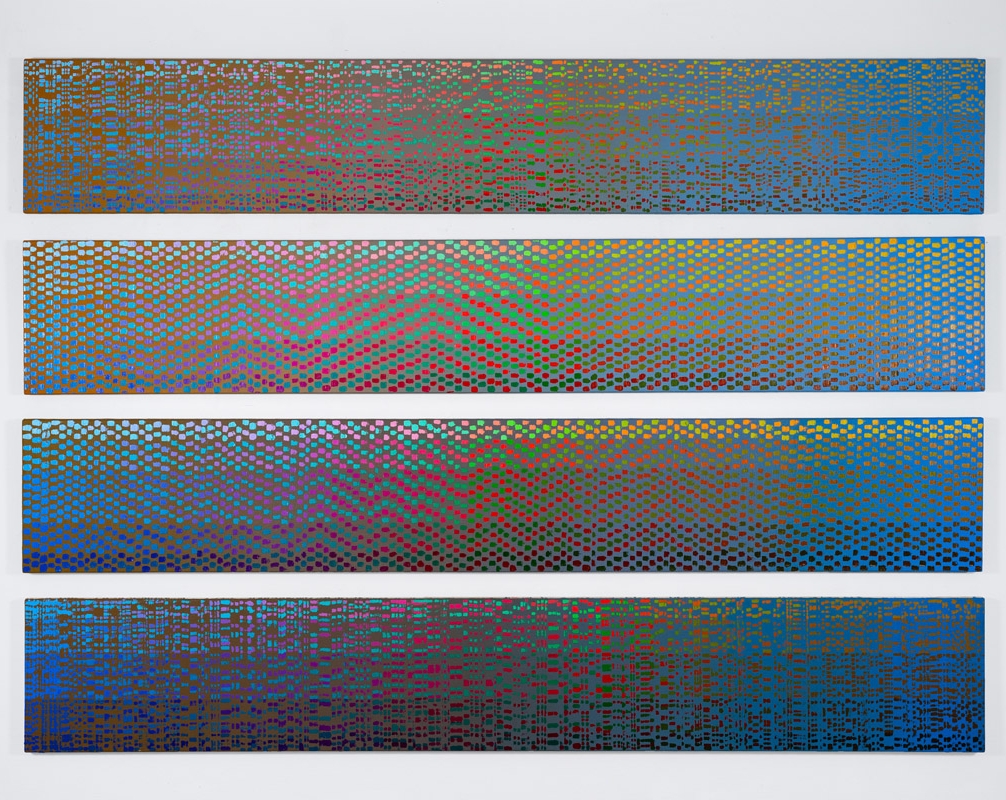 István Losonczy: Dawning, 2025 |
2. Prehistory: the first schools of painting and the modernist genealogy, 1900–1945
The first certain point in the history of the concept is 1911. The news of June 18th in the newspaper “Siklós és Vidéke” [Siklós and its surroundings] mentioned Márton Faragó (1880–1947) and Ferenc Sass (1882–1963) as “teachers of the Pécs painting school”, who wanted to open a painting school in Siklós for the two months of the vacation. On September 29, 1912, the newspaper “Dunántúl” [Transdanubia] reported on Márton Faragó’s school in Pécs under the title The Pécs Painting School; classes began on October 1 in the premises of the Benevolent Women’s Association. The program served to master the basics, prepare for independent artistic work and painting academies, and categorically stated: “Teaching only after nature.” They drew still lifes, landscapes, and figures, and painted with charcoal, watercolour, pastel, and oil. No direct continuity can be proven between the initiatives of 1911–1912 and the later workshops of Ferenc Martyn (1899–1986) and Ferenc Lantos, but the linking of the roles of artist and teacher is an important functional precedent.
In his 1923 assessment of the situation, art historian Ottó Szőnyi (1876–1937) used the term “school” in a different sense. Sensing the disorganization of the Pécs painters and the “transient groupings”, he asked whether the development of local artistic life would lead to “the emergence of a special Pécs school”. The period between the two world wars is the modernist genealogy of the Pécs School. The local painting of Jenő Gábor (1893–1968), Ernő Gebauer (1882–1962) and Géza Nikelszky (1877–1966), the modern aspirations of Ferenc Martyn and Tihamér Gyarmathy (1915–2005), and the Bauhaus-related Farkas Molnár (1897–1945), Alfréd Forbát (1897–1972) and Andor Weininger (1899–1986) represented different positions, but together they connected Pécs to several networks of Hungarian and European modernism. The architecture of Molnár and Forbát, and Weininger’s painting, graphic, architectural and design activities are early examples of the transition between genres.
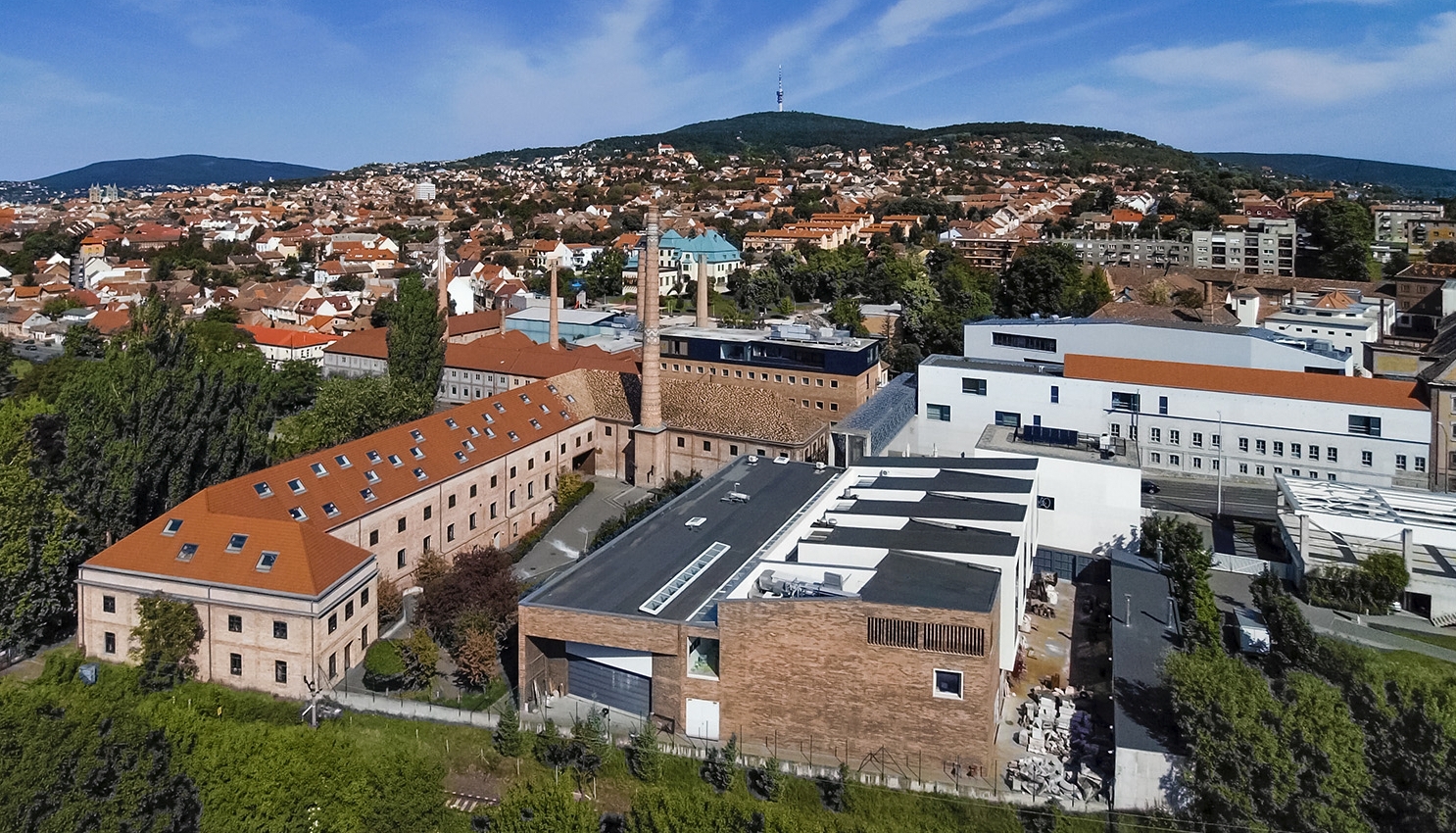
The Zsolnay Quarter with buildings of the Faculty of Music and Visual Arts (Picture: Gábor Horváth)
3. 1945–1960: the Pécs School as a program and the role of Ferenc Martyn
After 1945, the reorganization of the artistic life of Pécs created a new situation. The Pécs group of the Free Organization of Fine Artists, the exhibitions, the free schools, the museum background and art education gradually made Pécs a regional center of fine arts. The decisive conceptual historical date is 1947: the painters János Martinszky (1909–1949), Sándor Tury Nagy (1920–1988), János Bizse (1920–1981), Emil Gádor (1911–1998), László Cseh (1914–1991) and Sándor Kelle (1913–2003), who made their debut at the Ernst Museum, named “the creation of a characteristic Pécs school” as their common goal. Critics saw the common trait of the generation as restlessness, searching, experimentation, and “almost laboratory” work. The Pécs School was a program announced in 1947.
Ferenc Martyn, who lived in Paris from 1926, joined the Abstraction-Création artist group in 1934 and returned home in 1940, is a central master in this process. Through his experiences in Paris, he became a mediator of modern French and international art, passing on artistic autonomy, professional standards, and a modern approach in his liberal arts and studio environment. János Bizse met Martyn in 1945 and later highlighted his artistic ethics and painterly thinking; he compared their joint work entitled In the Workshop to the collaboration of Renaissance workshops. Tihamér Gyarmathy (1915–2005) also studied at Martyn’s free school, but their relationship was not a traditional master-disciple relationship. In 1969, art historian Lajos Németh (1929–1991) called Martyn the “spiritual midwife” of the new turn in Pécs: he gave credibility and durability to modern aspirations.
The second half of the 1950s was a period of the emergence of the new modernism. According to Ferenc Lantos’s retrospective, he began painting regularly in 1952, initially arranging what he saw into color scales. One important event of the turning point was the joint exhibition of painters Tibor Kiss (1931–2015), Ferenc Lantos and Ernő Tillai (1927–2026) in December 1957, for which art historian Éva Sarkadiné Hárs (1928–2019) published the ars poetica of the three artists in the daily newspaper “Dunántúli Napló” [Transdanubian Diary]. Kiss raised the issues of abstraction, Tillai the modern perspective on space, and Lantos the issues of simplified forms, the autonomous order of the image, and the transcendence of traditional perspective. In 1958, Lantos led the art history course at the Pioneer House, and in 1959, at the national spring exhibition in Pécs, the critic wrote about his “decorative-geometric” abstract experiments. The transition from naturalism - abstraction - constructive visual thinking becomes clearly visible in this short period.
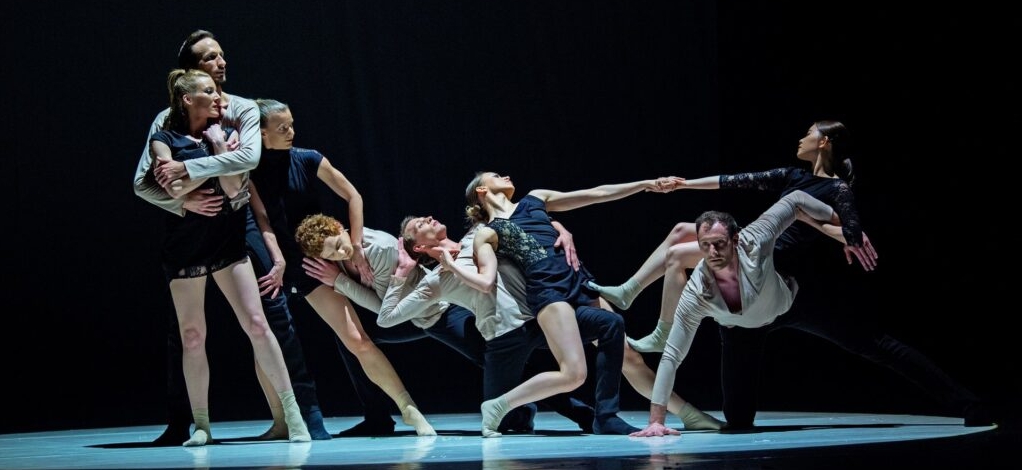
The Pécs Ballet
4. 1960–1970: From Martyn to Lantos, common aesthetic problems
In the 1960s, a problem community emerged in Pécs, while contemporary criticism remained wary of speaking of a unified style. According to a 1964 South Transdanubia exhibition review, “it might be too early to talk about the Pécs school”; however, on the occasion of the national debut in 1969, the review recognized “a mark, a characteristic trait” in the artists of Pécs-Baranya. At the 1969 exhibition titled “Artists of Pécs and Baranya” held at the Hungarian National Gallery in Budapest, Lajos Németh called Lantos the most constructive artist of the younger generation. Elemér Soltra (1922–2013) and other artists also dealt with common problems that were more important than superficial stylistic similarities.
These problems included the reduction of natural forms, geometrization, structure and rhythm, the search for pure visual and plastic forms, the reinterpretation of folk art, the demand for impersonality and objectivity, and monumental-decorative thinking. The artists of Pécs School used folk art as a set of “primordial forms” and elementary structures of visual language. Martyn’s multifaceted art had no direct followers, but the problems of the younger generation touched him on many points; Lantos arrived at a consistent geometric-constructive system by starting from the organic order of nature. There is a historical affinity between Gyarmathy, Martyn and Lantos in the examination of pure colors, formal reduction, and the relationship between image, motif and ornamentation.
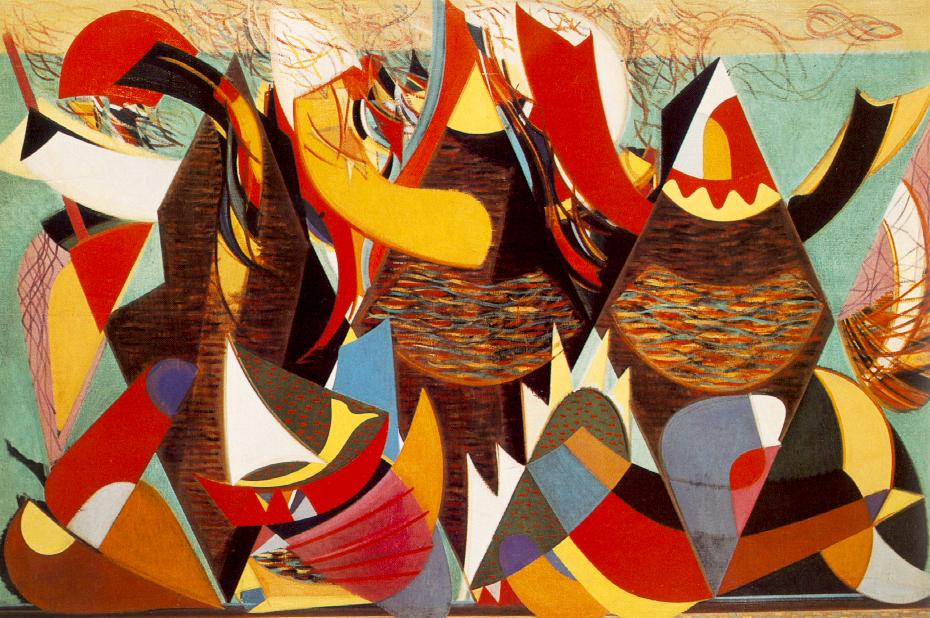 Ferenc Martyn: Composition, 1943 | 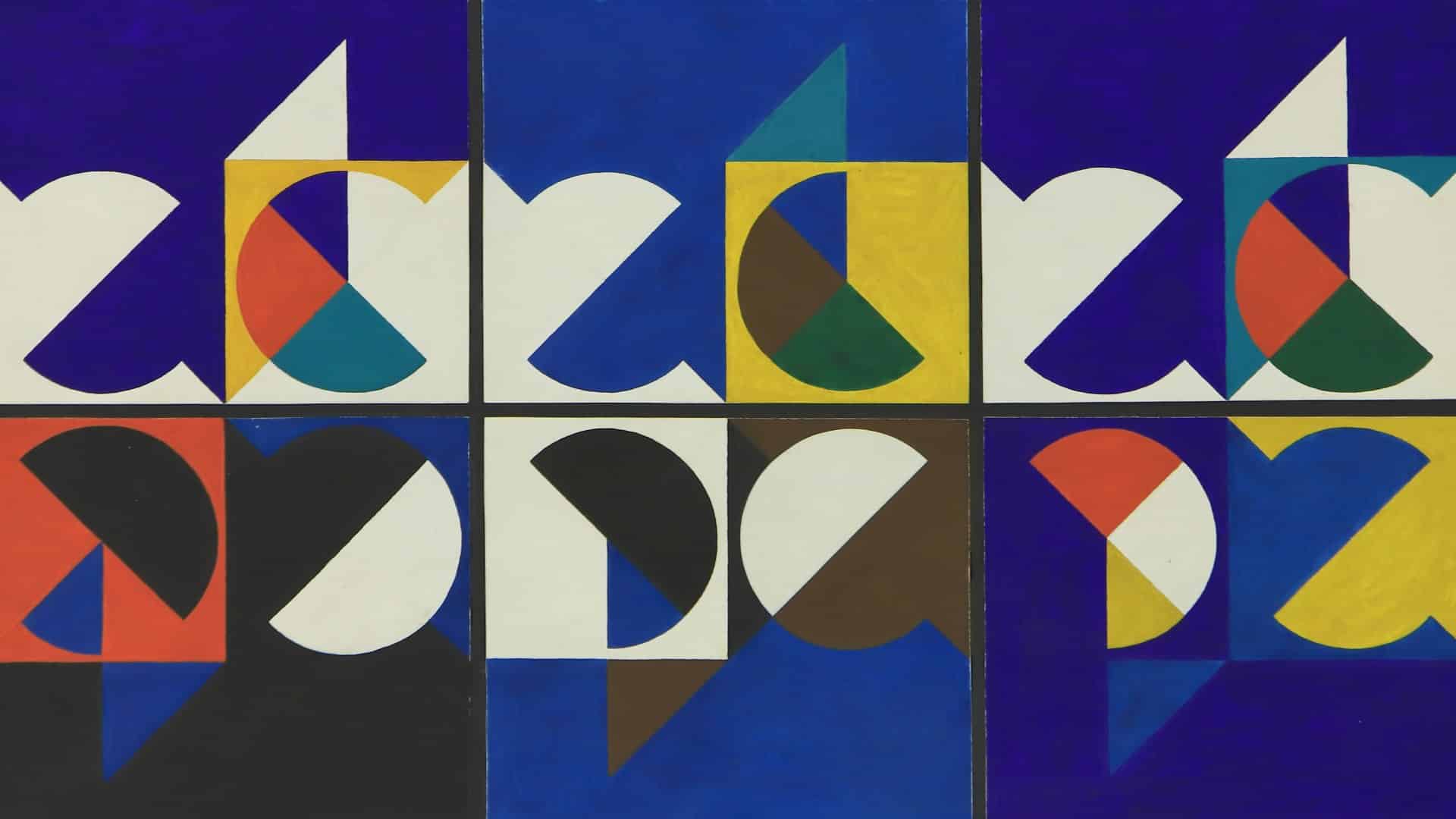 Ferenc Lantos: Round Composition, 1967 |
5. Genre expansion and parallel workshop traditions in Pécs
In addition to painting and graphics, the historical core of the Pécs School also includes sculpture and ceramics; closely related workshop traditions include textiles, enamel, other branches of applied art, monumental and public art. Through the Pécs Workshop, photography, collage, conceptual art, action, land art and experimental film also became part of the story. Music, dance and puppetry are primarily important in the interdisciplinary pedagogical model, while architecture – due to the Bauhaus connections of Farkas Molnár and Alfréd Forbát – is mainly a receptive medium for modernist prehistory and monumental art.
In sculpture, Gyula Bocz (1937–2003), Sándor Rétfalvi (1941–2021) and István Bencsik (1931–2016) are representatives of the independent Pécs sculpture genealogy. In ceramics, the common technological and workshop background of the Zsolnay factory is important: the sources mention György Fürtös (1939–2010), József Pattantyús (1942–1996), Judit Nádor (1934–2016) and János Török (1932–1996), and in other contexts Zsuzsa R. Füzesi (1953), Éva Knoll (1952–2002), Sándor Molnár (1949) and József Pattantyús, and the term “Pécs School” is also used in their case at the reception. In textile art, critics spoke of a “Pécs workshop” in connection with Diana Zs. Kovács (1923–2010) and Ilona R. Fürtös (1941–2012). The specificity of Pécs is worth linking to the system of artistic problems and workshop relationships.
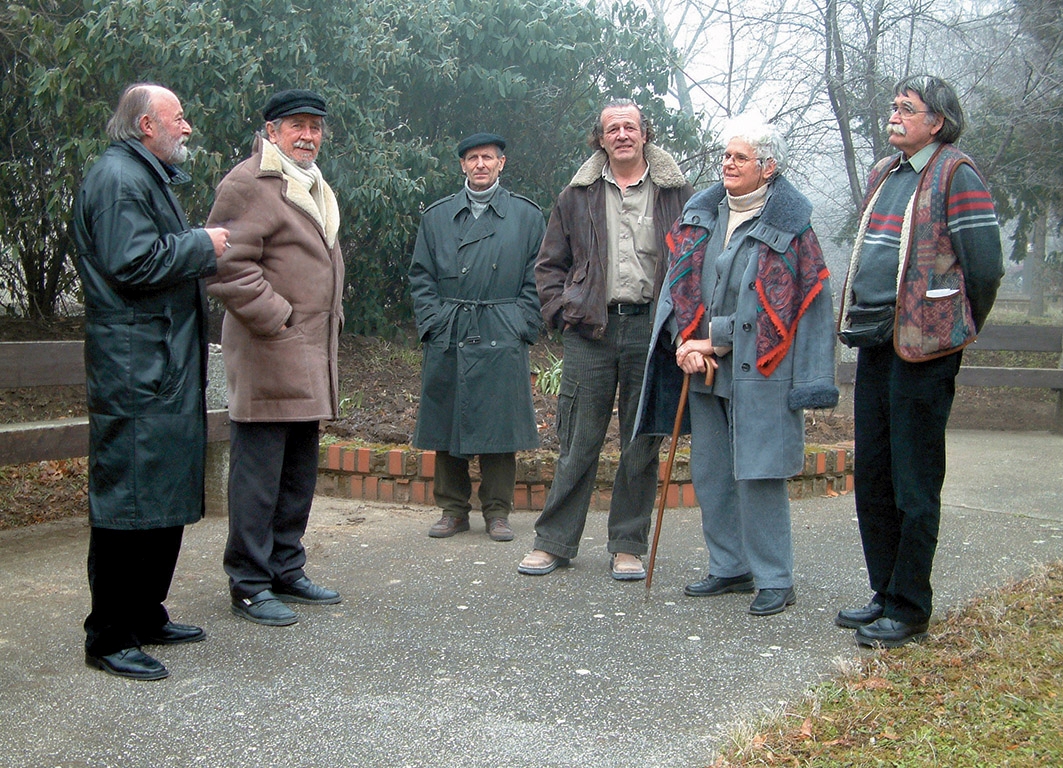
Ernő Tolvaly, István Bencsik, Imre Schrammel, Colin Foster, Ilona Keserü and Sándor Rétfalvi
6. Ferenc Lantos’ pedagogical activities and the Pécs Workshop, 1968–1980
The significance of Ferenc Lantos lies above all in his pedagogical activities, in addition to his artistic oeuvre. In 1959, he established the fine arts department of the Erkel Ferenc Music High School; the institution’s predecessor was the Erkel Ferenc Music Vocational School, which opened in 1952 and operated at 8 Szent István Square from 1957. After the expansion of fine and applied arts education, it was reorganized into an Art Vocational High School in 1967, and a dance department was launched in 1974. Lantos later taught at the Pollack Mihály Technical College, the Teacher Training College, and then in the art education of the Janus Pannonius University and the University of Pécs. His professional circles, camps, the Pécs Visual Workshop, and the Pécs Free School of Arts, founded with Mária Apagyi (1941), connected several generations.
The Lantos circle or free school was much larger than the later Pécs Workshop. Károly Kismányoky remembered at least fifty participants. The sources also preserved the names of Győző Dombay (1942–1994), Anna Ferk (1950–1995), Brúnó Gellér (Gellér B. István, 1946–2018), Elvira Hoós (19?–?), Kamill Major (1948), Ilona Millei (1950), Lajos Pesti (19?–?), Éva Kováts (Éva Rab-Kováts, 1943), Róbert Swierkiewicz (1942–2019), and Lajos Szelényi (1944). In addition to Lantos, the 1968 free school exhibition featured Dombay, Pesti, Szelényi, Károly Halász, Major, Gyula Bocz, Éva Kováts and Elvira Hoós; in the 1969 and 1970 exhibitions, Ilona Millei and Anna Ferk also participated. Éva Rab-Kováts later created an independent pictorial and graphic oeuvre, and with her 2022 exhibition In Memory of My Pécs Masters, she recalled the parallel influence of Martyn and Lantos. Kamill Major graduated from the Pécs High School of Art as a student of Lantos, moved to Paris in 1972 and pursued an international geometric abstract career.
The Bonyhád Enamel Factory became a laboratory of geometric visual thinking. Kamill Major drew Lantos’ attention to the location; Lantos, Tihamér Gyarmathy, Major Kamill, Oszkár Papp (1925–2011) and Gyula Pauer (1941–2012) worked in the first camp in 1968, and from 1969, younger students also joined in. Enamel connected the examination of elementary geometric forms, sequence, module, variation, rhythm, and color relationships to the architectural and public scale. From this pedagogical environment, the narrower group of Ferenc Ficzek, Károly Halász, Károly Kismányoky, Sándor Pinczehelyi and Kálmán Szíjártó crystallized. The Pécs Workshop is one of the “school forms” of the Pécs School, but it is not identical to the entire Pécs School.
The late 1960s and early 1970s brought a radical stylistic-media turn. Geometric abstraction, systematicity, seriality, module and variation were accompanied by photography, collage, conceptualism, land art, action and experimental film. According to Szíjártó’s recollection, after the “image surfeit” around 1970, actions carried out in nature and documented with photos began. Ficzek, Halász, Kismányoky, Pinczehelyi and Szíjártó embarked on increasingly different paths from a common geometric foundation. In particular, Károly Kismányoky’s films and photographic experiments, Sándor Pinczehelyi’s symbolic and political imagery, and landscape actions show that Lantos’ method passed on structural thinking. Later reception in the 1980s also referred to Pinczehelyi as a member of the “Pécs School”; Sándor Pinczehelyi and Márton Barabás (1952) were at the forefront of the new application of pop art, collage and photography.
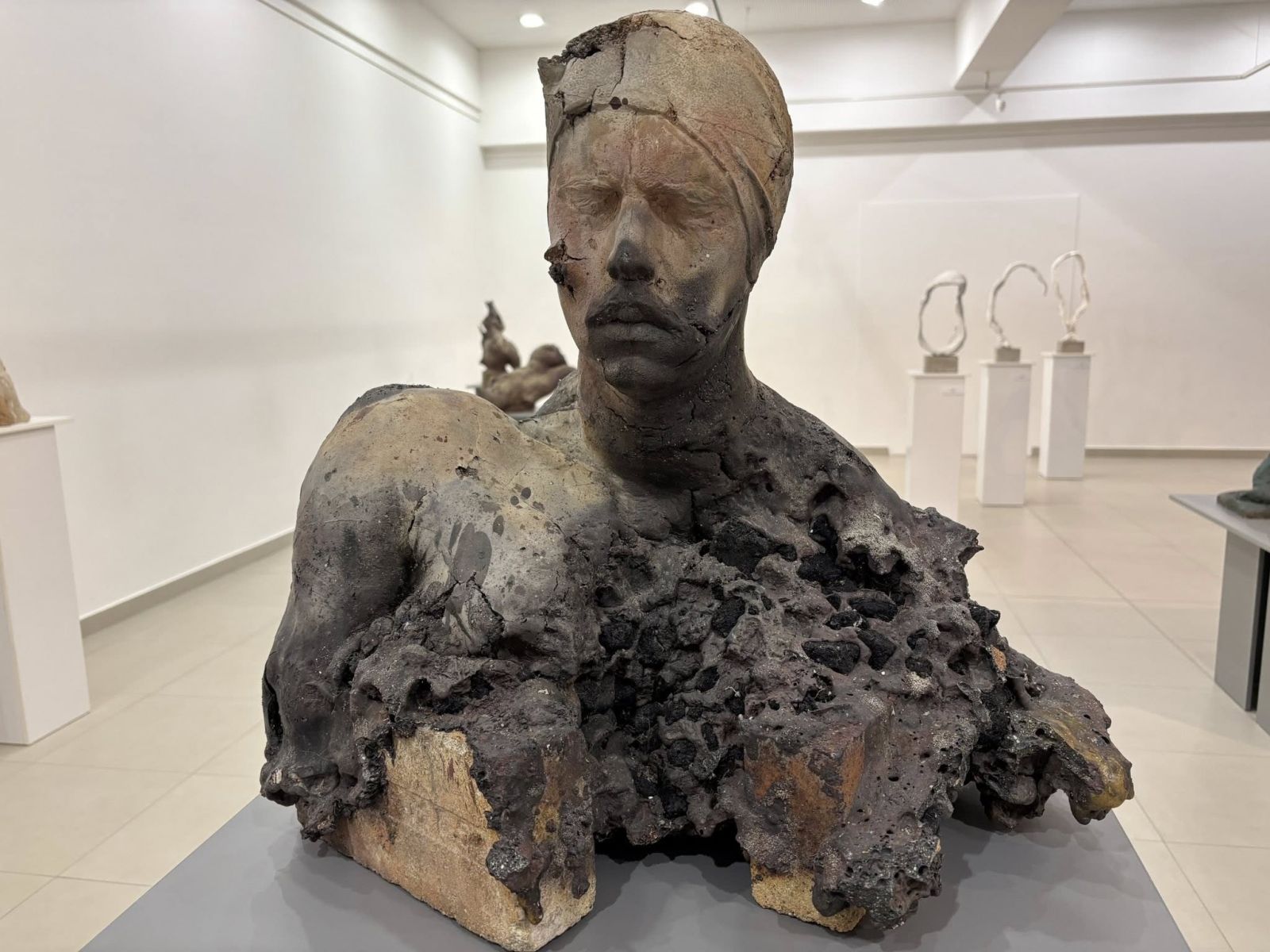 György Fusz: Dying One 1, 1981 | 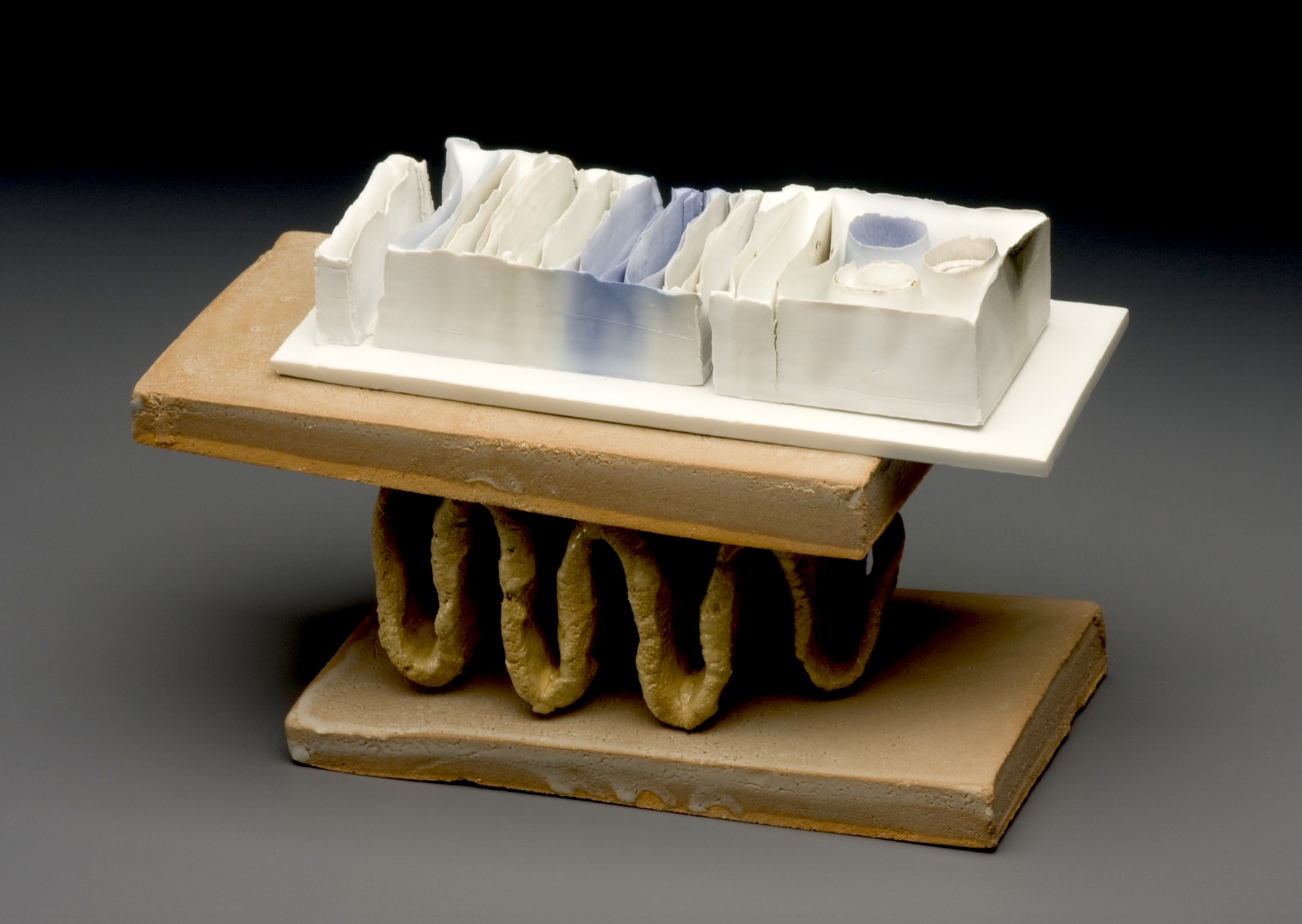 Márta Nagy: Snake in the Garden 1, 2008 |
7. The “Pécs model”: visual education and interdisciplinarity
One of the characteristics of the Pécs School is that artistic and pedagogical practice are permanently intertwined. Lantos wanted to convey a vision: the recognition of the structural connections of nature, geometry, rhythm, color and space. His method, developed with Mária Apagyi, sought the common structural foundations of fine arts and music, starting from the Kodály–Bartók model. By the 1980s and 1990s, this approach had broadened into an interdisciplinary arts pedagogy that also included music and dance. The Pécs Free School of Arts (now the Martyn Ferenc Elementary School of Arts) was a collaboration between Apagyi and Lantos, who carried forward the idea that art education is the development of perceptual, structuring and improvisational skills. The structure of the Pécs Secondary School of Arts, which was divided into music, fine and applied arts, and then dance arts from 1974, also prepared this all-arts thinking at the institutional level.
The Pécs model also established international connections. In 1995, J. Kyle Gregory, a lecturer at the American Bradley University, came into contact with these pedagogical efforts and wrote his dissertation on the methods of the Pécs Free School of Art. Lantos’ teaching career continued from 1994 at the Faculty of Music and Visual Arts of the Janus Pannonius University, teaching complex art knowledge.
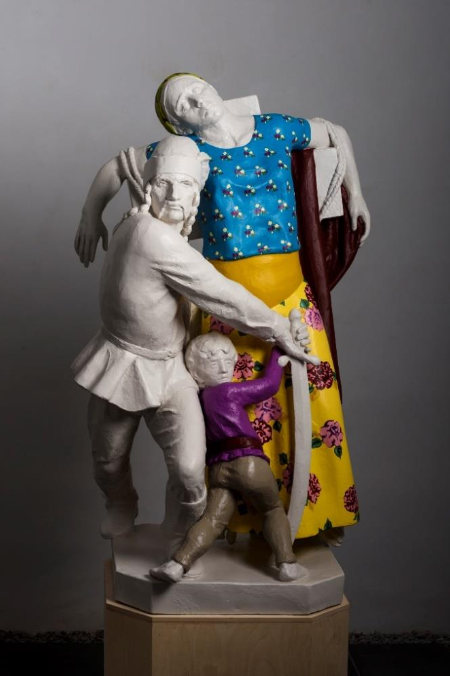
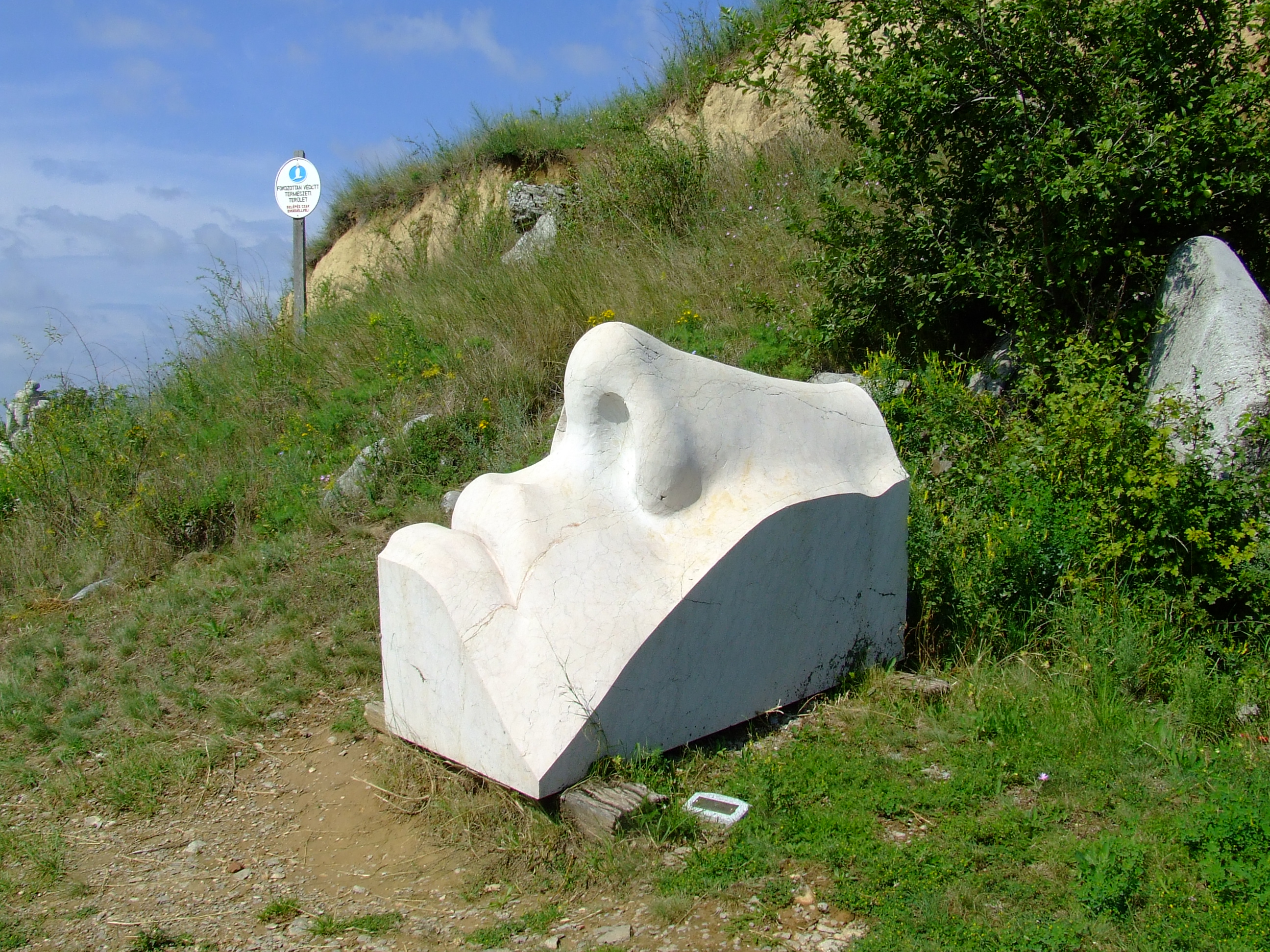 István Bencsik: Face (Madonna), 1981 | 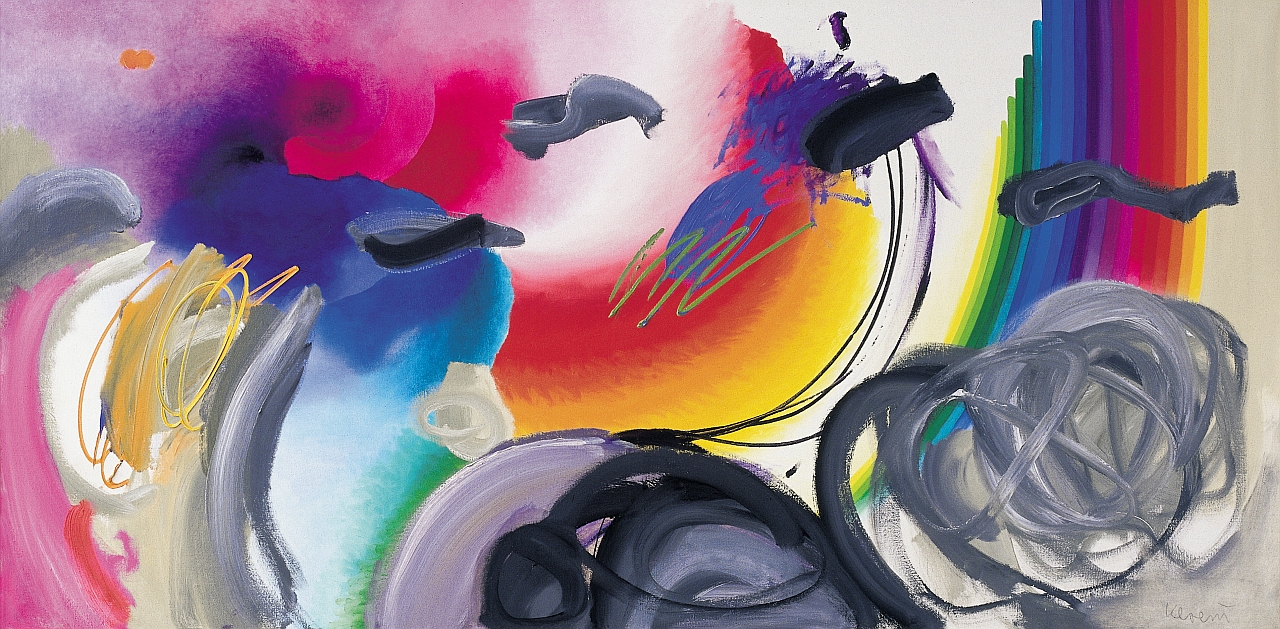 Ilona Keserü: A Glimpse into Time 2, 1992 |
8. Institutionalization and pluralization: 1983–2000
From the 1980s onwards, the Janus Pannonius Museum, the Pécs Gallery, the Art Vocational School and higher education formed an increasingly dense institutional system. 1983 was a turning point in the drawing education of the Teacher Training College: Sándor Rétfalvi took over the leadership of the department from Elemér Soltra at that time, and played a decisive role in the gradual development of independent artist training from teacher training. This process involved the elevation of the workshop and master traditions of Pécs into the framework of higher education.
A decisive step was the establishment of the Pécs Master School of Fine Arts in 1991. Its founding masters were Ilona Keserü (1933), István Bencsik, Sándor Rétfalvi and Imre Schrammel (1933). The painters first worked at the Siklós Ceramics Creative House, the sculptors at the Gyimóthy Villa and the Villány Sculpture Park (international artist colony founded in 1967/68); from 1992, the training continued at István-akna (a coal mine 10 km north of Pécs closed in 1998), and Schrammel organized the ceramics education a year after the start. The founders represented different art forms and approaches: Keserü painting, Bencsik and Rétfalvi sculpture, Schrammel ceramics. Their common denominator was direct work with the material, the primacy of workshop work, personal consultation and the need to establish an independent creative position.
The doctoral program, which began in 1995, and the Faculty of Music and Visual Arts of Janus Pannonius University, which was established on January 1, 1996, were built directly on the Master School. Ilona Keserü, István Bencsik, Sándor Rétfalvi and Imre Schrammel were decisive as the first masters of the Doctoral School. According to Csaba Hegyi’s (1970) recollections, they “broke through the wall”, meaning they created university art education from college teacher training. The students of the Master School became the first doctoral candidates, several of whom later became lecturers. Around 1996, Csaba Hegyi led a painting class at the request of Ilona Keserü; Péter Lengyel (1975) named István Bencsik his master, and then at the end of his doctoral training, Sándor Rétfalvi called him an assistant teacher. Márta Nagy (1954) joined the institution as a student of the Doctoral School in 1995, and after her doctorate she joined the Department of Sculpture as a lecturer. The master-student chain became institutionalized and networked.
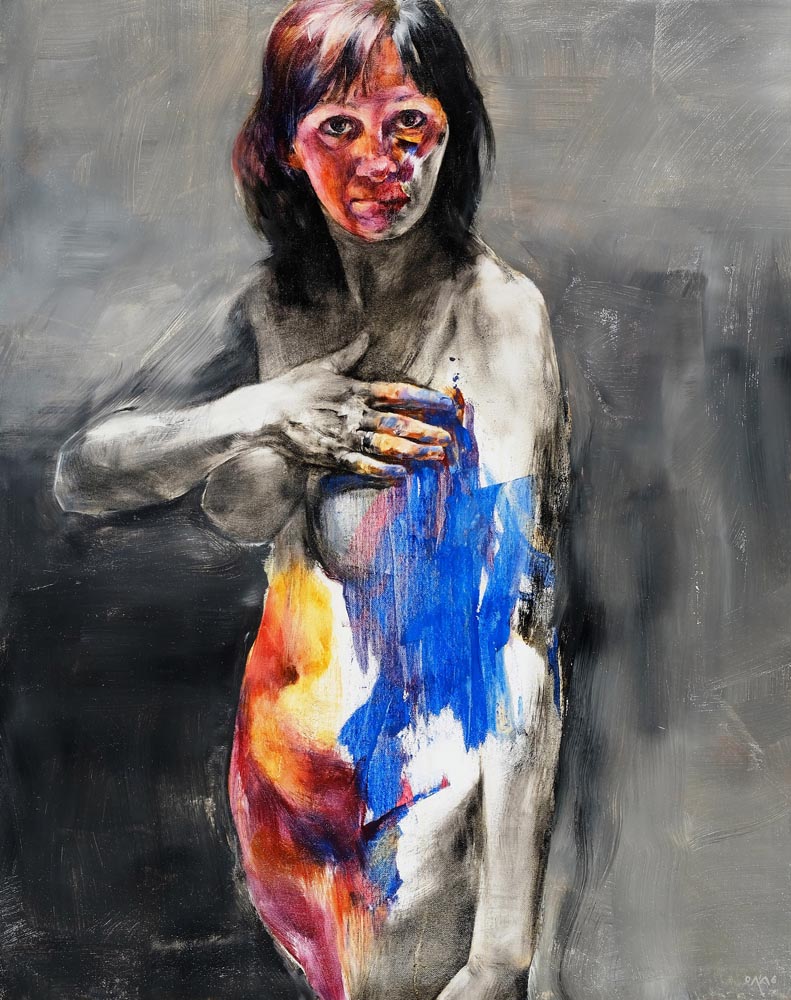 Márta Nyilas: Painted into Life, 2016 |
|  Gergely Mészáros: In the memory of the pigeons, 2019 |
9. The new generation around Pécs University and the polycentric Pécs School
Since the 2000s, we can only speak of the new Pécs School with reservations. The common institutional background of artists who graduated from or teach at the Faculty of Music and Visual Arts of the University of Pécs does not in itself create a school. At the same time, university art education is organically linked to previous traditions in Pécs. In his 2024 memoirs, Csaba Hegyi considers Ferenc Martyn to be one of the central figures of the modern Pécs tradition, linking Ilona Keserü to him, and then Ferenc Lantos and his circle; by 1996, the Faculty’s embeddedness in the artistic life of Pécs was clear. However, the continuity is not a linear Martyn-Lantos chain. A different branch of painting developed between Martyn and Keserü, a sculptural workshop tradition around Rétfalvi and Bencsik, and a ceramic-object-making workshop tradition around Schrammel. The 1991 Master School connected these different lines without stylistic homogenization.
Ilona Keserü’s Color Power – Scale Change program, established in 2006/2007, brought together postgraduate students, former master’s students, and university lecturers in intensive joint work. Criticism of the 2007–2008 exhibition Painting Positions perceived the diversity of the subject’s reality, representations of perceived reality, psychedelic rewriting, and subversive use of space. This is almost a counterpoint to the more impersonal, objective constructive program of the 1960s, yet it can be linked to the same pedagogical principle: independent artistic thinking. Due to the mobility after 2000, the masters coming from outside, and the heterogeneous artistic positions, it is not justified to call the entire Faculty of Music and Visual Arts of Pécs the School of Pécs; rather, it is one of its important current transmission media.
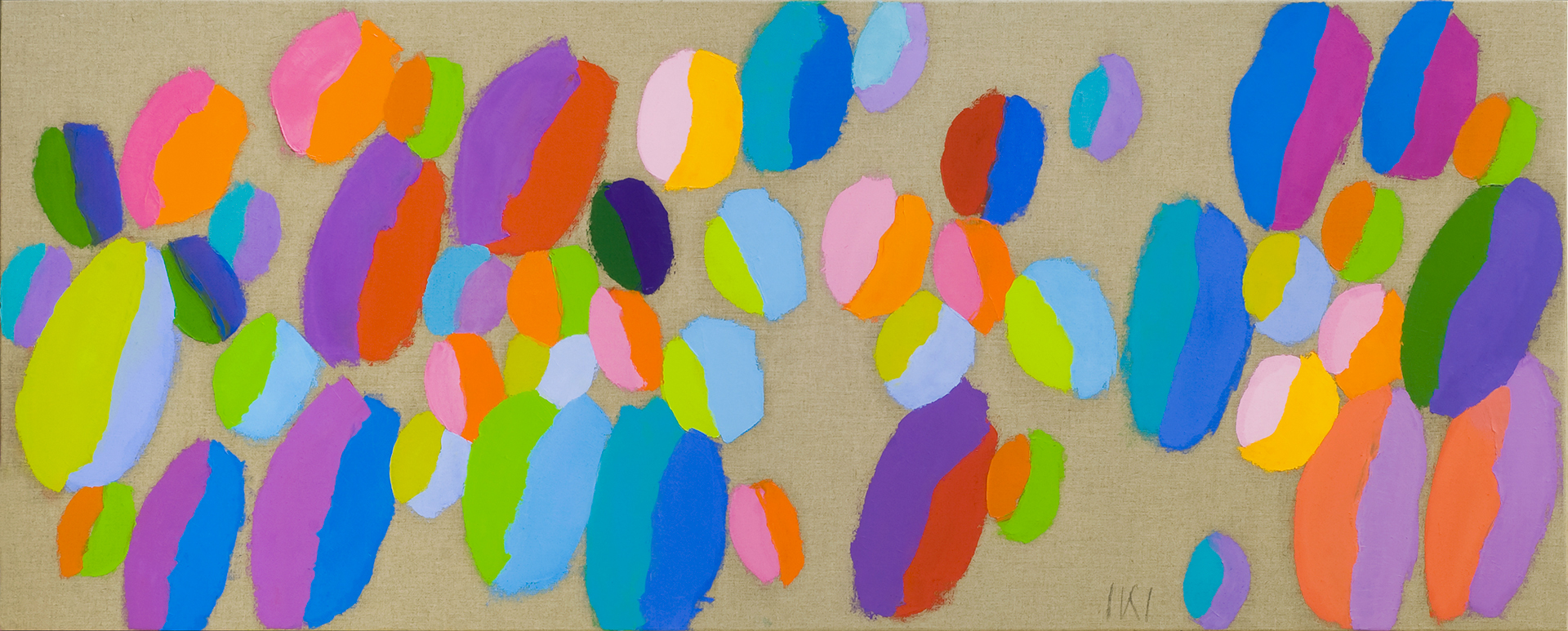
Márta Nyilas: Painted into Life, 2016
10. Stylistic definition, boundaries and the circle of artists
Stylistically, the Pécs School cannot be defined by a single formal language. Its historical axis is undoubtedly the line of Ferenc Martyn – Ferenc Lantos – Lantos disciples – Pécs Workshop, in which the reduction of natural forms, geometrization, structure and rhythm, module, variation and seriality, the perception of the image as an autonomous visual system, ornamentation and monumental-decorative thinking return. This is accompanied by experimentation, the ability to cross genre boundaries, direct work with material and, above all, the requirement of an independent creative position. The oeuvre of Gyula Bocz, Sándor Rétfalvi, István Bencsik, Imre Schrammel or Ilona Keserü makes it clear that the Pécs School cannot be limited to a geometric-constructive painting style.
Seven criteria can be used to define the boundaries of the concept: documented historical usage; master-student relationship; generational transmission; long-term Pécs artistic socialization; institutional and workshop ties; problem-historical connection; and community and network connection. Neither birth in Pécs, nor residence, nor a diploma obtained in Pécs, nor even a single student relationship, is sufficient.
Conclusion
An important lesson from the history of the Pécs School is that the concept of “school” in Pécs has been realized in different forms over and over again. In the painting schools of 1911–1912, it became an actual form of education, in 1923 it became an opportunity, in 1947 it became a conscious art program, in the context of Ferenc Martyn there was an intellectual and ethical orientation, in the context of Ferenc Lantos there was a methodical visual pedagogy, in the Pécs Workshop there was a coherent group experiment, and from the Master School in 1991 it became an institutional network based on the meeting of several art branches and masters. The Faculty of Music and Visual Arts at the University of Pécs has continued this tradition as a polycentric workshop and master-apprentice system. Continuity is ensured by artistic autonomy, experimentation, workshop work, consistent examination of visual problems, and the transmission of knowledge from generation to generation.
[Anna Tüskés, art historian - August 2026]
References
„Festőiskola Siklóson” [Painting school in Siklós]. Siklós és Vidéke 24, 25. sz. (1911. június 18.): 3.
„A pécsi festőiskola” [The Pécs Painting School]. Dunántúl 2, 221. sz. (1912. szeptember 29.): 7.
Szőnyi Ottó. „Pécs képzőművészeti közelmúltja” [The recent history of fine arts in Pécs]. Pécsi Est 18, 292. sz. (1923. december 25.): 15-16.
Báky Júlia. „Két kiállítás” [Two exhibitions]. Új Dunántúl 4, 200. sz. (1947. szeptember 4): 5.
Bárány Tamás. „Pécs, a béke városa” [Pécs, the city of peace]. Budapest 3, 9. sz. (1947): 311-317, itt: 314.
„Munkás- és parasztfiatalok képzőművészeti kiállítása” [Fine Arts Exhibition of Workers’ and Peasants’ Youth]. Dunántúli Napló 7, 114. sz. (1950. május 18.): 6.
Deblitzky István. „Megyénk képzőművészei a fővárosi kiállításokon” [Our county’s artists at exhibitions in the capital]. Dunántúli Napló 13, 9. sz. (1956. január 11.): 3.
P. E. „Látogatás Lantos Ferenc festőművésznél” [Visit to the painter Ferenc Lantos]. Dunántúli Napló 14, 81. sz. (1957. április 6.): 4.
Sarkadiné Hárs Éva. „Három festő kiállítása” [Exhibition of three painters]. Dunántúli Napló 14, 292. sz. (1957. december 12.): 3.
„Hírek” [News]. Dunántúli Napló 15, 42. sz. (1958. február 19.): 5.
Cs. M. „Pécsi tavaszi tárlat” [Pécs Spring Exhibition]. Esti Hírlap 4, 122. sz. (1959. május 27.): 2.
Bertha Bulcsu. „Modell hitelben” [Model on loan]. Dunántúli Napló 20, 152. sz. (1963. július 2.): 3.
Csányi László. „Három megye legjobb képzőművészeinek bemutatkozása a szekszárdi múzeumban” [Presentation of the best artists from three counties at the Szekszárd Museum]. Tolna Megyei Népújság 14, 292. sz. (1964. december 13.): 6.
Tüskés Tibor. „Kaposi képzőművészeti levél” [Fine Arts Letter from Kapos]. Jelenkor 11, 9. sz. (1968. szeptember): 805-810.
Németh Lajos. „Pécs és Baranya képzőművészeinek kiállítása a Nemzeti Galériában” [Exhibition of artists from Pécs and Baranya at the Hungarian National Gallery]. Dunántúli Napló 26, 112. sz. (1969. május 18.): 5.
Hallama Erzsébet. „Bizse János képei” [Paintings of János Bizse]. Dunántúli Napló 26, 166. sz. (1969. július 20.): 7.
Bojár Iván. „A legfontosabb a színvonal emelése: Beszélgetés a pécsi művészeti szakközépiskolában” [The most important thing is to raise the standard: A conversation at the Pécs Art Vocational High School]. Magyar Hírlap 4, 275. sz. (1971. október 3.): 10.
Hárs Éva. „A pécsi képzőművészet kistükre, X.” [A small mirror of the fine arts of Pécs, X.]. Jelenkor 14, 11. sz. (1971. november): 1053-1056.
Jenkei János. „Bányász képzőművész körök országos tárlata” [National exhibition of mining artist circles]. Dolgozók Lapja 27, 214. sz. (1972. szeptember 10.): 5.
Tüskés Tibor. „Képzőművészek műhelyében: Beszélgetés Bizse Jánossal és Zs. Kovács Dianával” [In the workshop of visual artists: Conversation with János Bizse and Diana Zs. Kovács]. Jelenkor 17, 9. sz. (1974. szeptember): 827-838.
Berecz József. „Tokaj őszi évadja” [Tokaj’s autumn season]. Észak-Magyarország 30, 280. sz. (1974. november 30.): 4.
Tüskés Tibor. „Képzőművészek műhelyében: Beszélgetés Martyn Ferenccel” [In the workshop of visual artists: A conversation with Ferenc Martyn]. Jelenkor 18, 4-5. sz. (1975. április): 439-446.
Kőrösi Pál. „Fejlődés a képzőművészetben” [Development in fine arts]. Dunántúli Napló 37, 115. sz. (1980. április 27.): 8.
Brestyánszky Ilona. „Új monumentalitás felé: Meglepetésekben gazdag kiállítás a Magyar Nemzeti Galériában” [Towards a new monumentality: An exhibition full of surprises at the Hungarian National Gallery]. Békés Megyei Népújság 41, 75. sz. (1986. március 29.): 8.
K. M. „A Magyar Nemzeti Galéria Eklektika című kiállítása” [The Hungarian National Gallery’s exhibition titled Eclecticism]. Élet és Tudomány 41, 16. sz. (1986. április 18.): 505.
J. Kyle Gregory, Improvisation and Integration of the Arts at the Pécs Free Scool of Arts in Hungary, Dissertation, University of Northern Colorado, Greeley, Colorado, Fall 1995.
„Hírek” [News]. Dunántúli Napló (1996. július 19.): 4. [A pécsi ANK Művészeti Szabadiskolájában tanulmányúton volt J. Kyle Gregory… / J. Kyle Gregory was on a study trip to the ANK Free School of Art in Pécs]
„A Pécsi Művészeti Szakközépiskola történelme” [The history of the Pécs Art Vocational High School]. Új Dunántúli Napló 13, 20. sz. (2002. január 21.): 6.
Sárvári Zita. „Új festészeti pozíciók: Vágatlan változat – Festészeti Pozíciók, Ernst Múzeum, Budapest, 2007. december 8.-2008. január 27.” [New Painting Positions: Uncut Version – Painting Positions, Ernst Museum, Budapest, December 8, 2007-January 27, 2008.]. Balkon 16, 1. sz. (2008): 16-19.
J. G. „Közös művészeti hullámhossz a Dráva mellett” [A common artistic wavelength along the Drava River]. Somogyi Hírlap 20, 79. sz. (2009. április 3.): 13.
P. Szabó Ernő. „Akzent Ungarn: hazai művészek Grazban: Kortárs magyar művészet a stájer Neue Galerie-ben” [Accent Hungary: Hungarian artists in Graz: Contemporary Hungarian art at the Neue Galerie in Styria]. Magyar Nemzet 72, 229. sz. (2009. augusztus 22.): 15.
P. Szabó Ernő. „Lantos Ferenc halálára” [On the death of Ferenc Lantos]. Magyar Nemzet 77, 340. sz. (2014. december 22.): 10.
Doboviczki Attila, Készman József (ed.). Párhuzamos avantgárd: Pécsi Műhely 1968–1980 / Parallel Avant-Garde: Pécs Workshop 1968–1980. Budapest: Ludwig Múzeum – Kortárs Művészeti Múzeum, 2017.
Péntek Orsolya. „Életmű Kaposvártól a Káptalan utcáig: Gyarmathy Tihamér, Martyn Ferenc és Lantos Ferenc művészete számtalan vonásában összevethető – Vásznaik fénye intenzívebb, mint más magyar festőké” [Oeuvre From Kaposvár to Káptalan Street: The art of Tihamér Gyarmathy, Ferenc Martyn and Ferenc Lantos can be compared in countless ways - The light on their canvases is more intense than that of other Hungarian painters]. Magyar Hírlap 53, 75. sz. (2020. március 28.): 12.
Bálint Tamás. „Hetedhét határon innen: Beszélgetés Kis Endre képzőművésszel” [Conversation with artist Endre Kis]. Krónika 24, 81. sz. (2022. augusztus 22.): 5.
Tóth Eszter, Mechler Anna (ed.). Percepció és reveláció: Művészeti felsőoktatás Pécsett, 1996–2025. [Perception and revelation: Higher art education in Pécs, 1996–2025.] [Interview volume] Pécs: Pécsi Tudományegyetem Művészeti Kar, 2025.